Scan to Print: From a Physical Part to a Printed Replacement
Scan to Print: From a Physical Part to a Printed Replacement
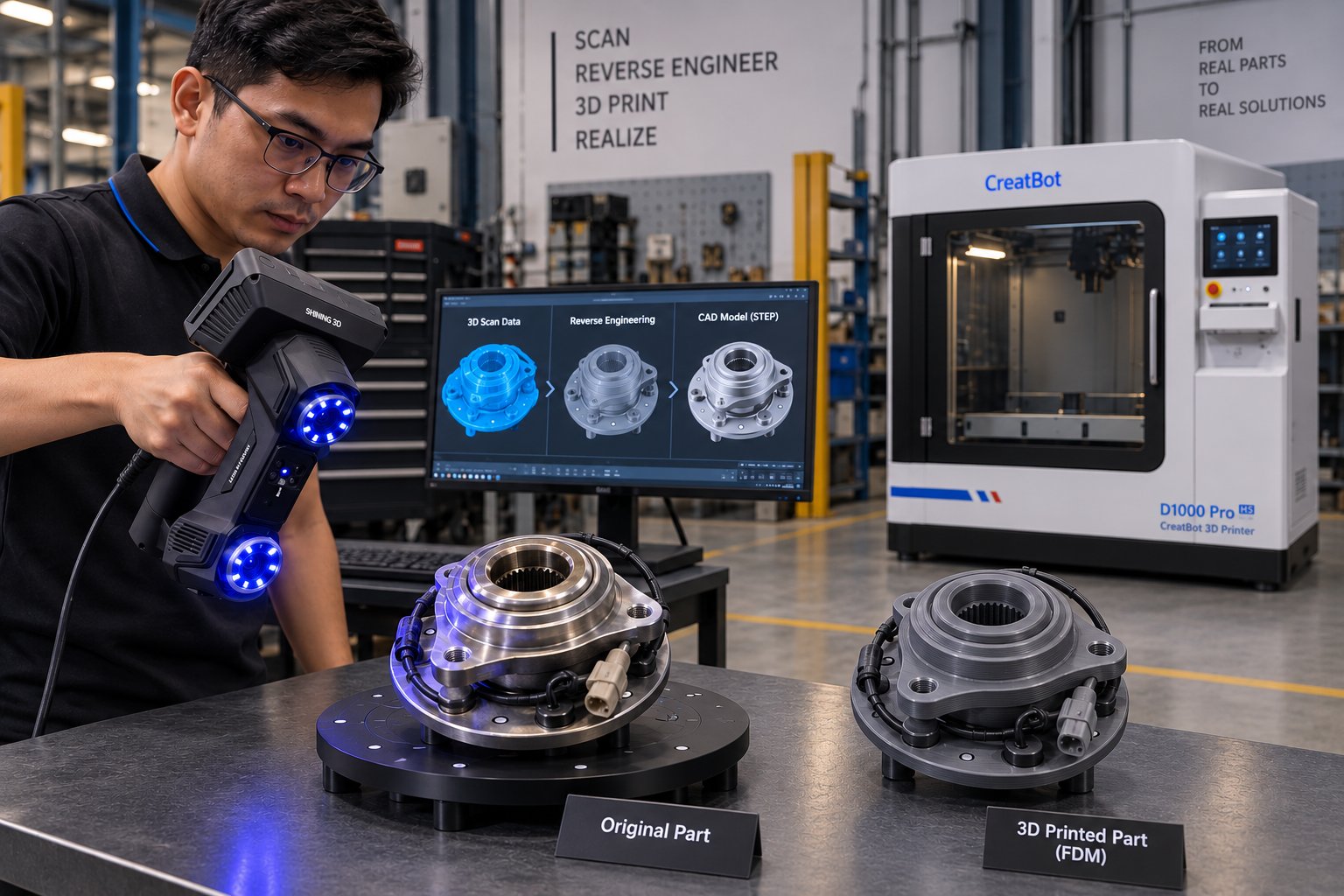
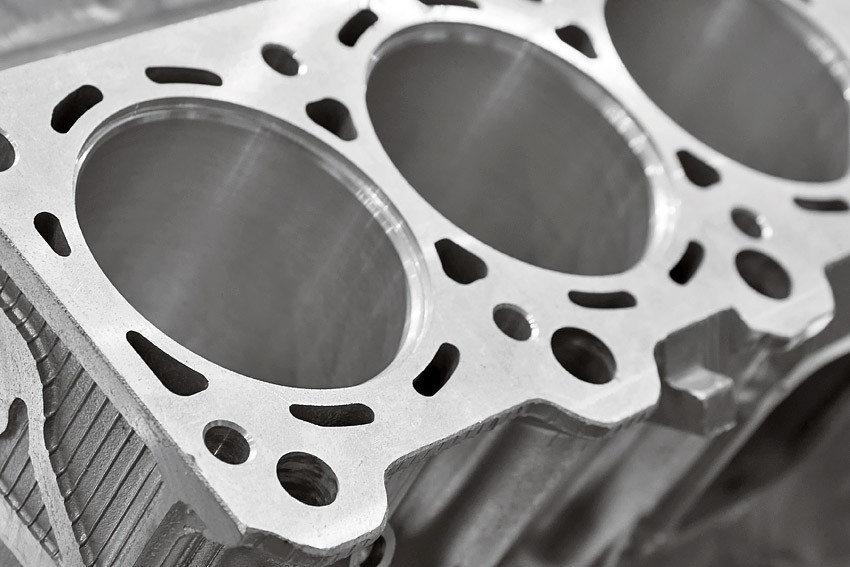
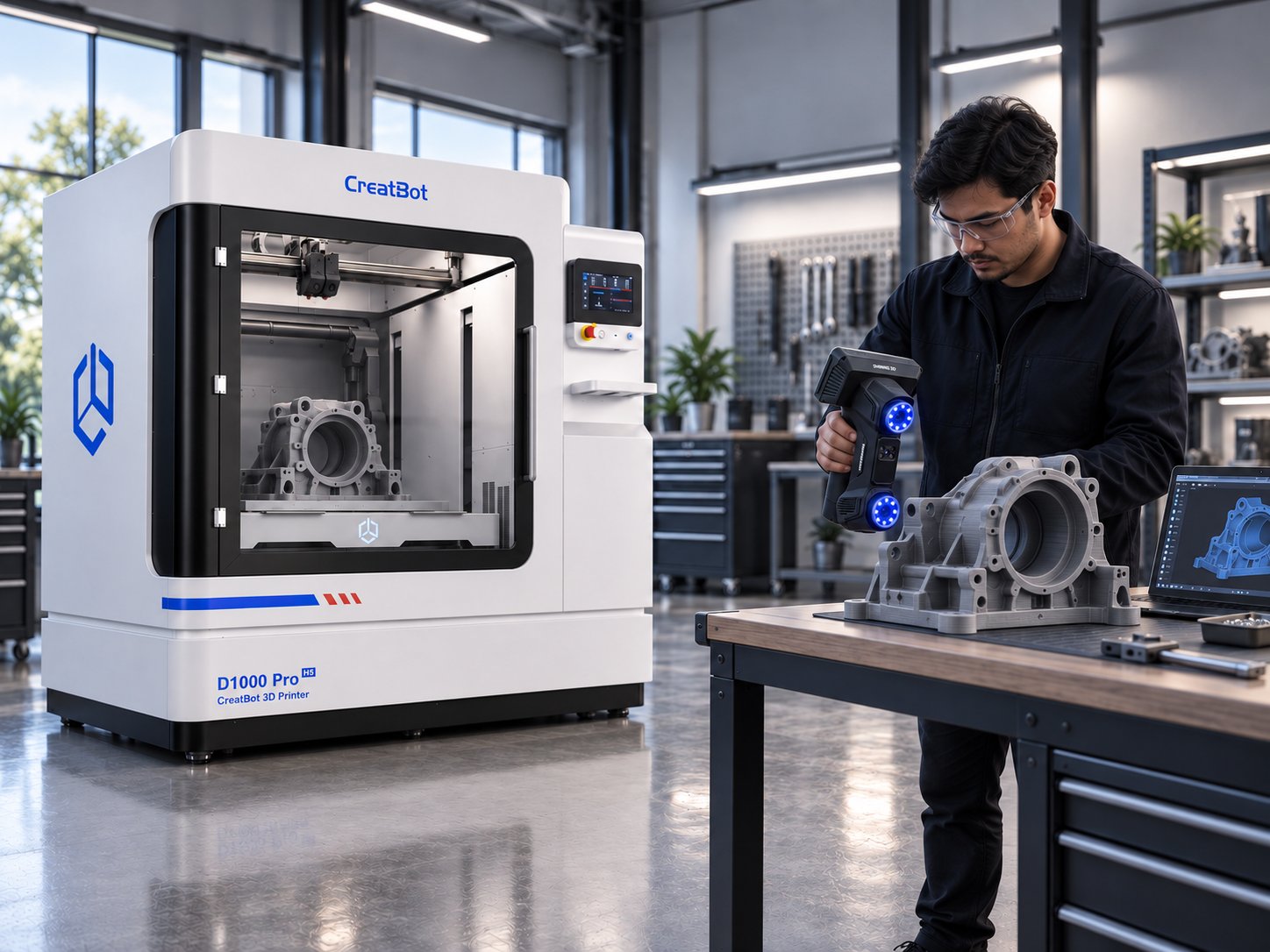
The whole job in one frame — the worn original, the scan it produced, and the printed replacement beside it
Quick verdict: if you can hold it, you can usually print it — scan the part, clean the mesh, rebuild or repair it as CAD, then print. The scanner decides whether the replacement fits; the printer decides what it is made of.
The workflow, step by step
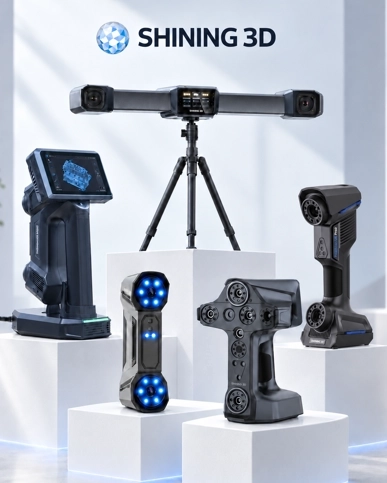
Scan. Capture the part — one pass on a handheld for most objects, a turntable for small parts, tracked scanning where the object cannot be moved.
Clean the mesh. Remove noise, close holes, trim the support surfaces. A worn original means the scan is worn too, which is usually what you want to know before you print a copy of it.
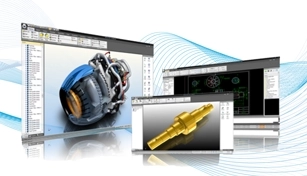
Rebuild or repair as CAD. For a shim or a bracket, a repaired mesh is enough. Where there are fits, bores or mating surfaces, rebuild the model and set those dimensions deliberately.
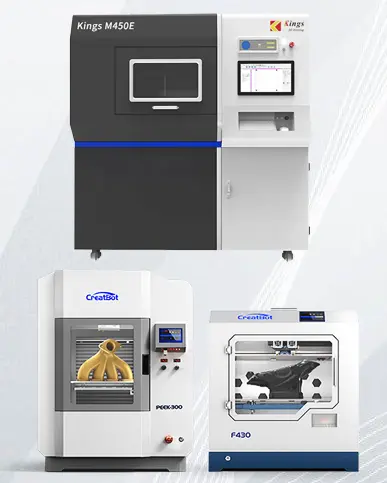
Print. Match the material and process to the duty of the part: appearance and fit on FDM or resin, functional plastic on SLS, metal on SLM.
The scanner only has to see the surfaces that matter — the fits, the bores and the mounting facesThe two halves of scan-to-print on one bench — capture the geometry, then print the part
Which scanner for which part
Part
Machine
Why
Small to medium parts, design and reverse engineering
Send the part; you get the model, the print-ready file or the printed part
Which printer for which part
Need
Process
Typical use
Functional plastic parts, jigs, housings
FDM
Strong, inexpensive, wide material choice including engineering plastics
Fine detail and smooth surfaces
SLA / DLP
Appearance parts, patterns, dental and jewellery work
Production-grade plastic without support marks
SLS
Durable parts with complex geometry
Metal replacement parts
SLM
Stainless, titanium and nickel alloys for functional metal components
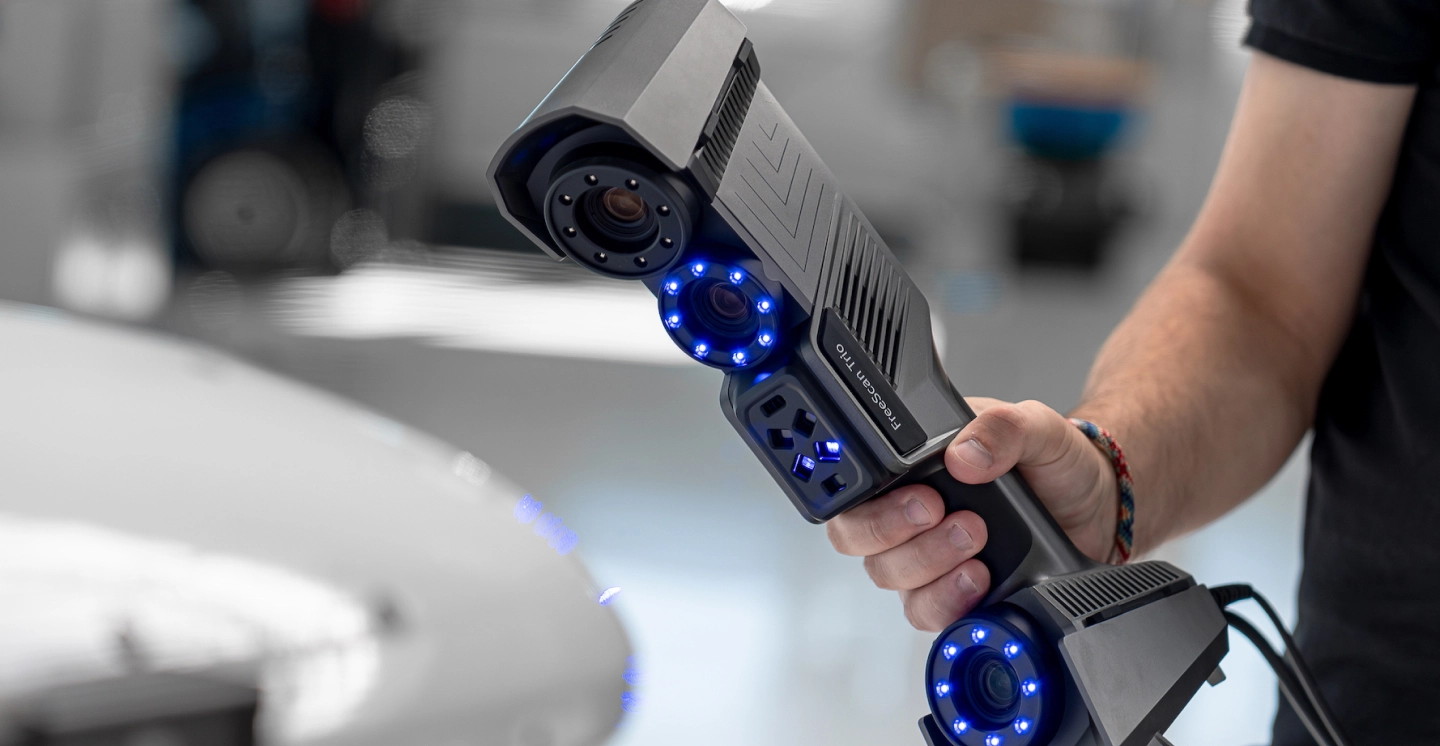
Mid-scan: the blue light on the part is what the software is reading in real time — a scanner only records what it can see
When scan-to-print is the wrong answer
Be clear-eyed about it. A printed part is not a like-for-like substitute for a machined or cast component in a load-bearing role, and no scan rescues a part that has worn into a shape you should not reproduce. Parts that are transparent, extremely thin or made of flexible material are also difficult to capture well. We would rather say so at the start and send you to the right process.
Once the model is right, the same file prints as often as you need — replacement parts are rarely a one-off
Frequently asked questions
Can you 3D print a replacement for a broken part?
Often yes, if the part is not load-bearing and the material suits the job. The scan captures the geometry, the design is rebuilt or repaired from it, and the printer produces the part. Where the original was machined or cast for structural reasons, a printed part is not a like-for-like substitute — that is a conversation to have before printing, not after.
What accuracy do I need in the scan for a printed part?
Far less than for inspection. A printed part holds its own tolerance from the printer, which is usually much looser than the scanner. A professional-tier scanner is normally ample; the scan needs to be complete and clean rather than sub-0.05 mm.
Do I need CAD, or can I print from the mesh directly?
For simple replacements, a repaired mesh is enough — slice it and print. Where the part has fits, threads, bores or mating surfaces, the geometry should be rebuilt as CAD so the critical dimensions can be set deliberately instead of inherited from a worn original.
What if I only need one part and do not own a scanner or printer?
That is the service route: send us the part and we return the model, the print-ready file, or the printed part itself. Many customers start there and only buy equipment once they know how often they will need it.
Which printers do you supply for this?
FDM, SLA, DLP/MSLA, SLS and SLM metal printers, from brands including CreatBot and Bambu Lab, chosen against the material and the duty of the part rather than the other way round.
We demonstrate in Kuala Lumpur and on customer sites across Malaysia, and we will scan your own part so you can judge the result before deciding. Book a demonstration or send us a part to scan.
Looking for the right solution for your application? Our team is here to help. Talk to our 3D solution specialist today.