Teaching anatomy, engineering and archaeology has long depended on physical specimens that are fragile, expensive or hard to share. 3D scanning digitizes them once and reuses them forever: students study a digital twin, print a replica, or interact with an AR model — without touching the original.
The same technology pays for itself in research. A donated instrument, a discontinued component, or a one-off experimental part can be scanned, reverse-engineered and re-manufactured for a fraction of the cost of buying new equipment.
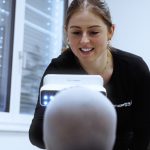
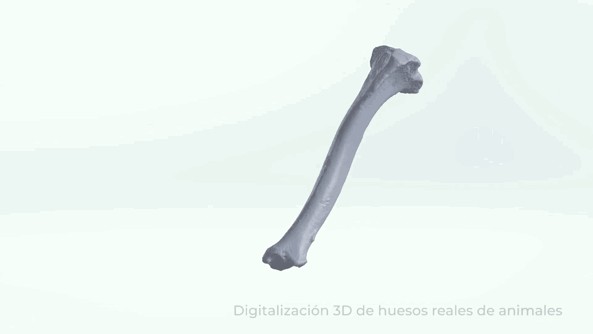
In medicine and veterinary science, scanning real organs, limbs and bones creates digital twins for students to practise on — a lumbar puncture, an ultrasound-guided procedure, or traumatology on a fractured bone — with a zero-sacrifice, zero-risk commitment.
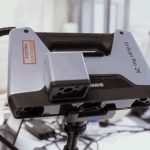
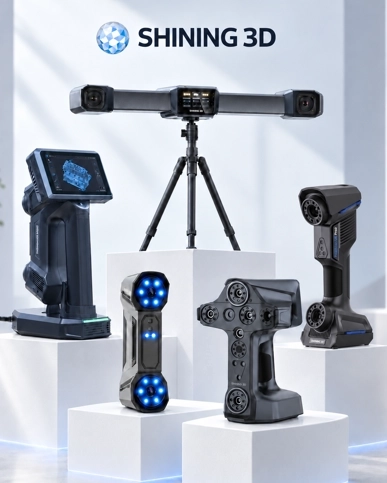
The EinScan Pro HD and EinScan H2 capture accurate 3D data of anatomical specimens, and clinical imaging (CT/MRI) can be segmented and 3D-printed into physical models for comparison and practice.
Plastinated organs are scanned into an interactive AR library, so students study anatomy safely without handling the real material.


Research labs routinely face two expensive problems: a market adapter that costs thousands, or a discontinued part that grounds a piece of equipment. 3D scanning solves both.
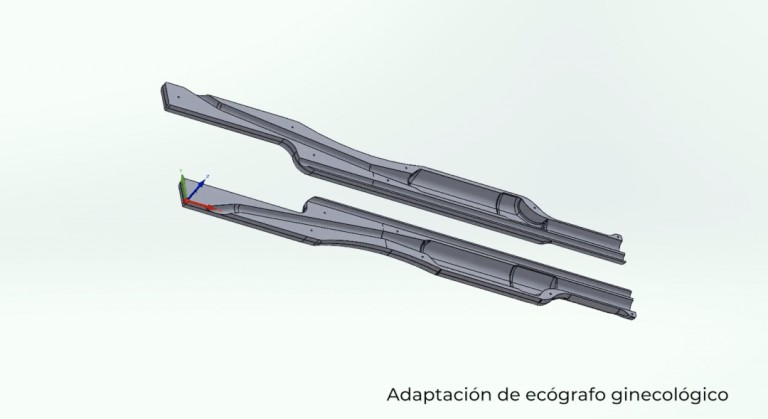
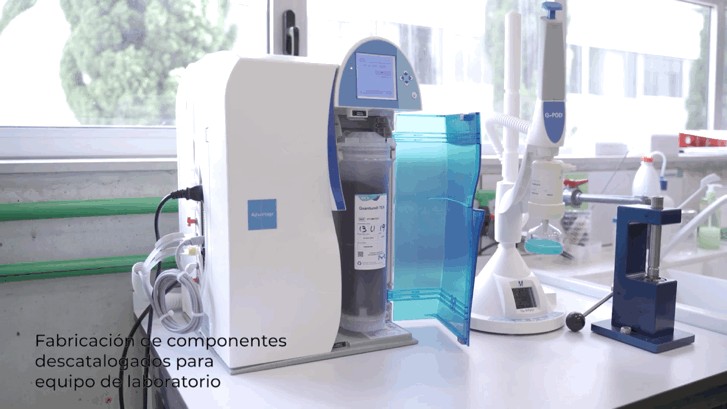
One university adapted a donated ultrasound device for large-animal work by scanning it and designing a custom adapter — replacing a €5,000 market part. Another repaired an €8,000 water-filtration unit by reverse-engineering a discontinued nozzle and printing it with a few ringgit of filament.
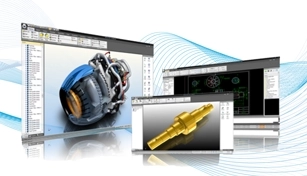
This is reverse engineering at its most practical: scan → CAD → print, keeping equipment alive for the cost of materials.
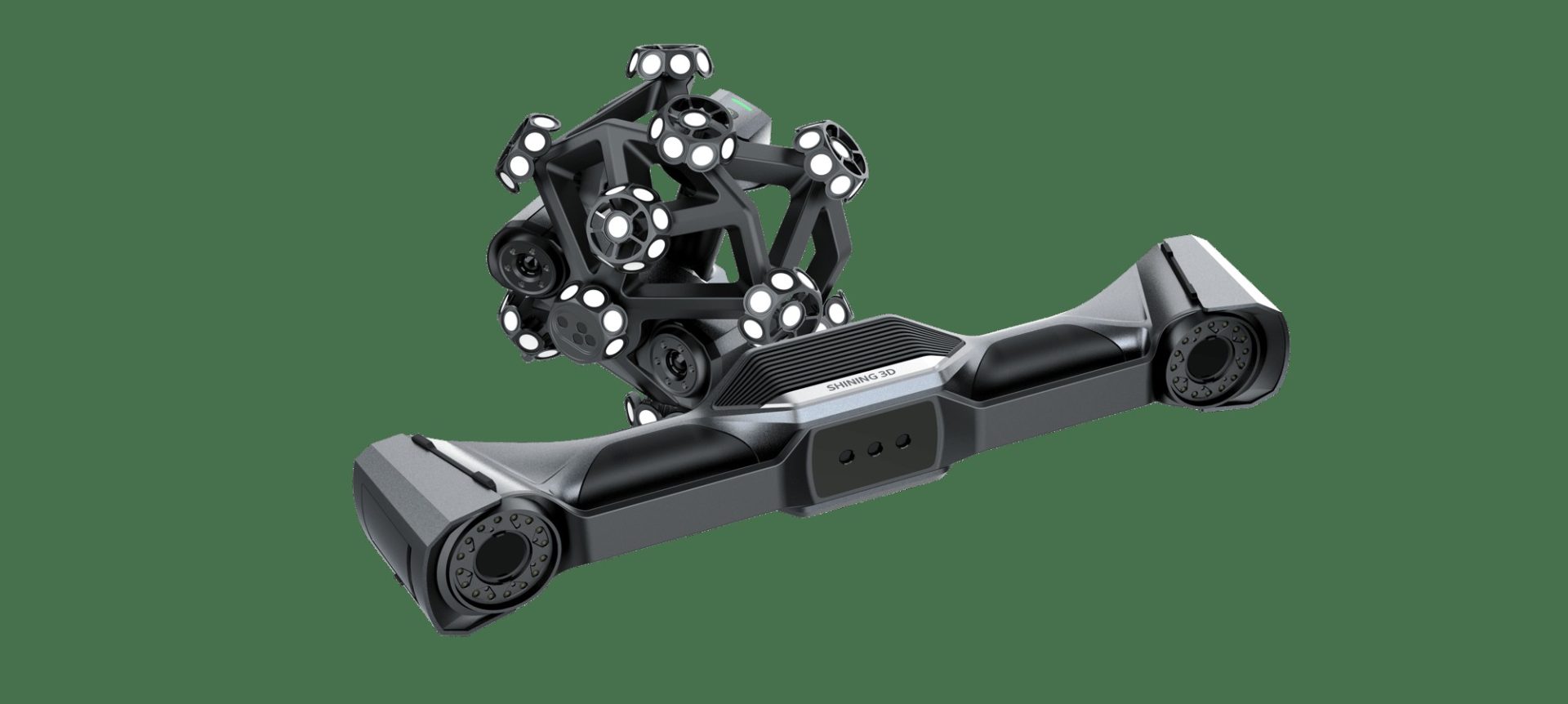
For high-precision research, metrology-grade scanners digitize full-scale objects to sub-millimetre accuracy. A university research team used the FreeScan Trak Nova to build ultra-accurate 3D models of an electric aircraft for aeroacoustic and aerodynamic analysis.
Optical-tracking, marker-free scanning captures large structures quickly and accurately — the kind of digital model that feeds CFD simulation, structural analysis and documentation for publications and grant proposals.


From dinosaur fossils in paleontology to museum artifacts in archaeology, 3D scanning preserves fragile specimens as accurate digital records — enabling study, replication and sharing without risk to the original.
The same scanners used in education also serve research documentation and publication, producing measurable, shareable 3D data instead of photographs.
For teaching labs and general reverse engineering, the EinScan Pro HD or affordable Einstar are ideal starting points. For high-precision research, the FreeScan Trak Nova delivers metrology-grade large-object scanning.
Can students use 3D scanners safely?
Yes — entry-level scanners are easy to operate and non-contact, ideal for teaching labs.
Can I scan anatomical specimens?
Yes — handheld scanners capture organs, bones and models for digital twins and 3D printing.
Can 3D scanning repair old lab equipment?
Yes — reverse-engineer a discontinued part, then 3D print a replacement for a fraction of the cost.
Do I need metrology-grade accuracy for education?
Not always — entry scanners suit teaching, while metrology-grade scanners serve high-precision research.
Tell us what you teach or research, and we will match the right scanner and workflow — with a live demo. Contact Trinventor Solution today.
Subscribe to our newsletter and stay updated.
Thank you for signing up. You will be the first to know the Industry news, upcoming products, latest technology and special promotion.
Stay Tuned.