Selling Personalized Products on Shopee, TikTok Shop and Lazada
Selling Personalized Products on Shopee, TikTok Shop and Lazada
Quick verdict:Made-to-order suits marketplaces perfectly: no dead stock, a higher margin, and buyers who happily pay for the personalisation itself. Start on one platform, get the listing, the proof and the lead time right, then route repeat and bulk buyers to a direct quotation.
Personalised products are the ideal e-commerce product for one reason: they’re made to order. You don’t buy stock and hope it sells — you engrave only what’s been paid for. No dead stock, no warehouse, no markdowns.
That advantage has a catch: you cannot un-engrave a name. Every order commits a blank to one buyer, and the business depends on getting the details right before the machine starts.
Why made-to-order wins on marketplaces
Advantage
Why it matters
No dead stock
You produce after the order, not before
Higher margin
Buyers pay for personalisation, not the blank
Differentiated
You’re not competing on the same commodity listing
Repeatable
Gifts and events drive recurring orders
The flip side is that inventory risk becomes commitment risk. A stock seller who finds an item scratched simply sends another; a mis-engraved name means a new blank, a second run and a scrapped first attempt. Made-to-order rewards sellers who treat every order as a production job with a specification.
Which marketplace to start with
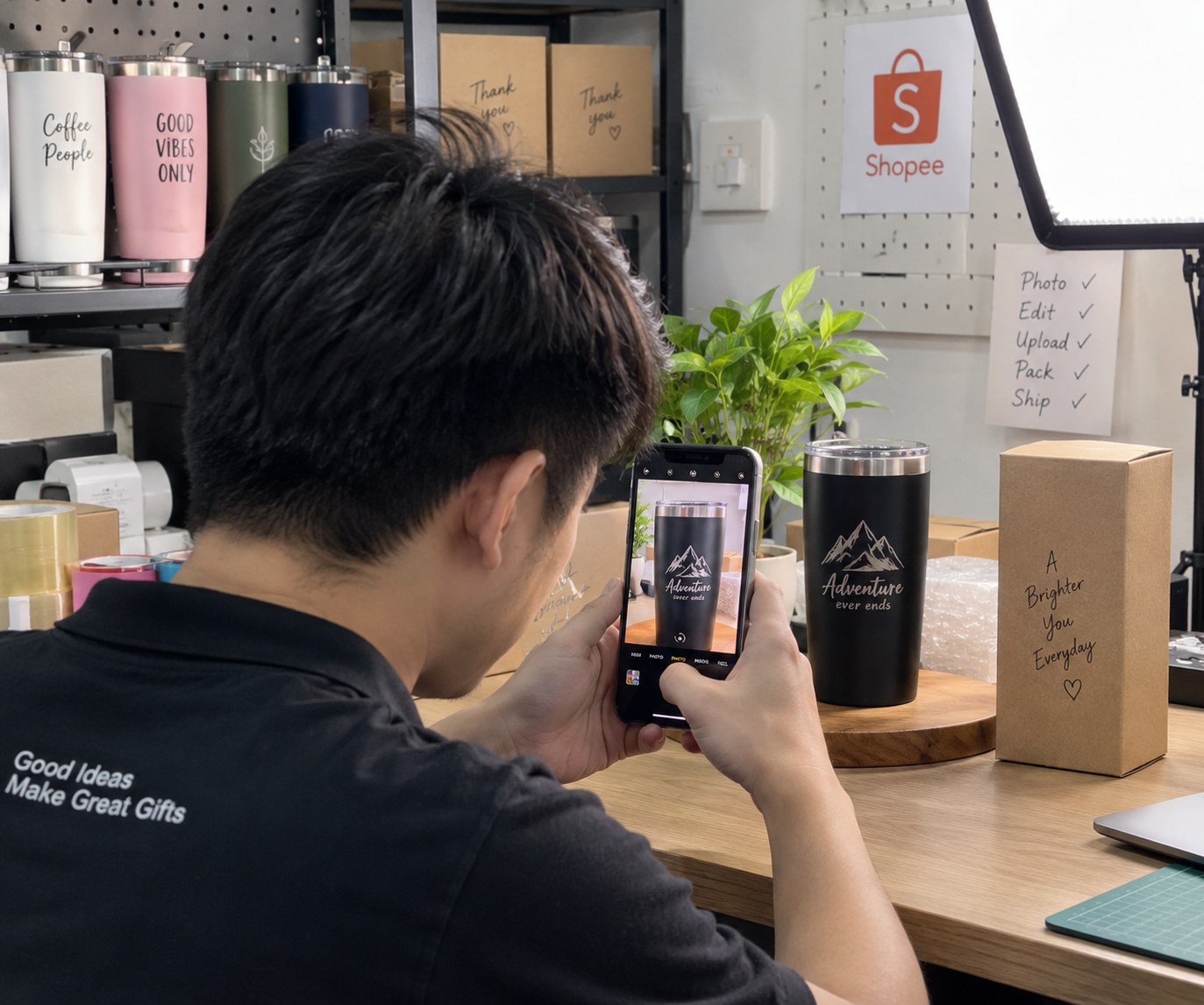
Listing photos are the shop window: the same item, shot cleanly, has to compete with every other listing on the page.
Shopee — the largest buyer base, strong search, good for steady volume and repeat purchases.
TikTok Shop — discovery-driven; live engraving videos and before-and-after demos convert exceptionally well.
Lazada — a broader consumer base, and a storefront that carries more weight with gifting and bulk buyers.
Start with one, do it well, then expand. Three half-finished listings each rank worse than one complete listing with real photos and a lead time you can actually meet.
The useful question is not which platform is biggest, but how your buyer finds the thing you make.
Channel
Buyer intent it serves
What it rewards
Best suited products
Shopee
Search-led: the buyer already knows what they want
Complete listings, keywords, vouchers, reviews
Everyday items — tumblers, keychains, name plates, pet tags
TikTok Shop
Discovery-led: they didn’t know they wanted it until they watched it made
Video, live selling, demos with a visible result
Watchable work — live engraving, colour marking on stainless, glass
Lazada
Planned buying with a more formal retail expectation, including company orders
Store presentation, brand trust, bulk orders
Gift sets, presentation pieces, higher-value corporate items
Read that against your own product: start search-led if people look for your range by name, or video-led if the work is watchable — a beam turning stainless from silver to black — and let search follow.
One warning applies to all three: rules, seller requirements and fees change regularly, so read the current seller terms for your category.
How to list personalised products
Show the personalisation, not the blank. Your main image should be an engraved example — that is what sells.
Offer clear options — font, text, logo, colour — in the title and description, not only in a photo.
State production time separately from delivery time.
State what you cannot do. If a material will not take fine lettering, say so in the listing.
The personalisation field: getting the order details right
Checkout is built for buyers choosing from stock, not supplying content that does not exist yet. A personalised order breaks that flow: the buyer has to hand over a name, a font and a placement, and you must produce an item that cannot be resold if one of those is wrong.
So the listing needs a step the standard form does not have — a personalisation field on the variant, or a plainly worded message-to-seller instruction saying what to type and where. Leave it to chat after payment and the buyer quietly pauses their own order.
What to collect
Why it prevents a remake
The text exactly as it should appear
Spelling and capitals are copied, not corrected
Font and size
Named styles and a text height, not “whatever looks nice”
Placement
Decided before production, not after
Deadline, if it is a gift
Sets the shipping promise before you accept
Lead times, stated honestly
Made-to-order work carries a production step stock sellers do not have. Listing an item as ready to ship when it still needs engraving, curing and packing is the quickest route to late-delivery complaints.
Separate the two times. Give production and delivery as different numbers.
Quote the queue, not the job, and update it before a festive season.
Publish a cut-off date so the buyer makes the timing decision.
Round up. A promise you beat is a review; one you miss is a complaint.
Photographing personalised products so buyers trust the result
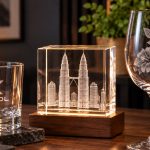
A buyer cannot inspect the work before it ships, so your photos carry the whole burden of proof. A blank shot says what you sell; an engraved example says what they will receive.
Shoot real samples, never a mock-up.
Include a close-up showing the finish of the mark.
Show variety — names, fonts and materials.
Keep background and lighting consistent across the listing.
Logos are where personalised orders get difficult. A buyer sends a phone photograph of a business card and expects the engraving to match the original.
Ask for the original file before payment — a vector, or the largest version they have, in one solid colour.
Request the version with no background. Backgrounds that look fine on screen become greys and halos once marked.
Resolution decides detail. A small file cannot be sharpened into existence.
Simplify only with approval. A tidied logo is a different logo.
Saying a file will not work before the order is a service, not a lost sale. A polite request for the original prevents the remake that would have eaten the margin.
Managing variants: font, size and placement
Every option you add multiplies the ways an order can diverge from what the buyer pictured. Keep the list short and describe each choice in words they can picture without seeing your machine.
Font. Three or four named styles, each shown engraved.
Size. Quote text height in millimetres, paired with a photo.
Placement. Words as well as pictures — centred below the rim, opposite the handle.
Layout. Say whether a long name wraps, shrinks or runs on one line.
Where the range is wide, make a proof part of the listing: send it, wait for a clear yes, then produce. Tumbler work is a range where that step pays for itself — see laser engraving for tumblers.
Pricing made-to-order work without guessing
Your price has to carry the platform’s share, the blank, the machine time and the personalisation itself. Work forwards from your own costs, not backwards from a competitor’s listing: you cannot see inside their number.
Price the personalisation as its own line, so it is not treated as a rounding error.
Build in the platform’s cost on today’s schedule for your category.
State that remakes caused by buyer-supplied errors are chargeable.
Quote bulk work rather than listing it — it depends on material, size, quantity and how much personalisation each piece carries.
Because all of that varies, the honest answer to “how much for 200?” is a quotation rather than a number invented on the spot.
Avoiding disputes on personalised goods
Personalised items are final-sale by nature: the buyer’s name is on them, so they cannot go back on a shelf. That makes the conversation before production your real protection, not the argument after it.
Send a proof and get an explicit yes on text, font and placement.
Spell names back. Unusual spellings cause most remakes.
Photograph the finished item before packing.
Describe materials truthfully — wood grain varies, some plastics mark faintly.
Stay inside your stated lead time. Many “it is wrong” disputes are really about a date that slipped.
When something does go wrong, a remake or partial refund resolves it faster than a debate about fault. Platform rules on customised goods change, so read the current policy and state your own terms in the listing.
Turning marketplace buyers into repeat and corporate clients
A one-off Shopee buyer is a transaction. A corporate buyer who ordered 200 engraved tumblers is a relationship. After each order:
Include a small card with your business name and WhatsApp.
Follow up on bulk orders with a direct quotation, off-platform.
Note what each returning buyer ordered, so their second order takes one message.
Build a simple portfolio to pitch corporate gifting.
Which platform should a new seller start on? Whichever matches how your product is found: search-led if buyers look for it by name, video-led if the work is watchable. Complete one channel before opening a second.
Can I sell personalised products without owning a machine? You can pay someone else to mark them, but you inherit their queue and their quality. Owning the production step is what lets you promise a lead time and fix a mistake the same day. The machine guide covers which type suits what.
What do I do when a buyer’s artwork is unusable? Say so before you produce, not after. Ask for the original file, offer to simplify the design with a proof, or refund before any blank is committed.
How do I stop buyers ordering the wrong thing? Make the required information a numbered list, keep the options few and named, and confirm the details back before you start. Most wrong orders are a gap in the listing.
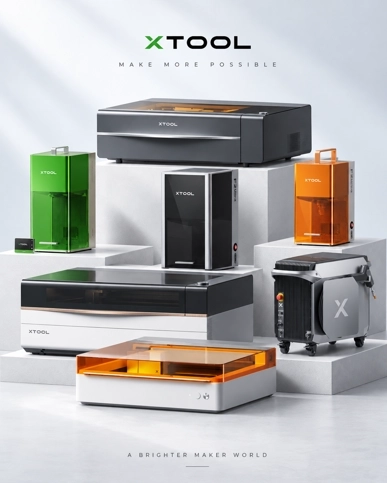
The machine decides what you can sell. Metal personalisation (tumblers, jewellery, keychains) needs a fiber laser like the xTool F2 Ultra. Wood and acrylic need a CO2 like the xTool P2S. Pick the machine for the products people actually want to buy, not the other way around.
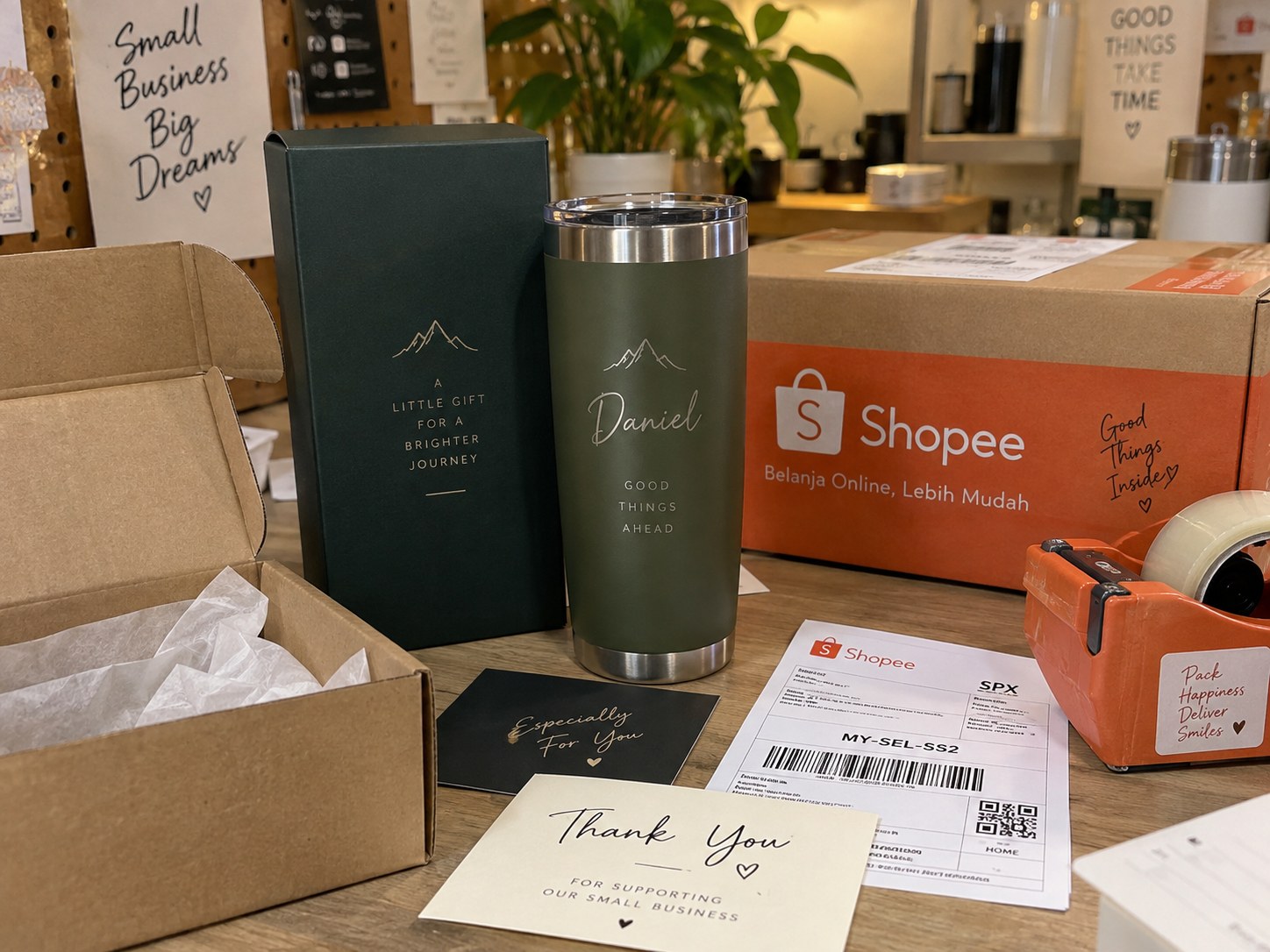
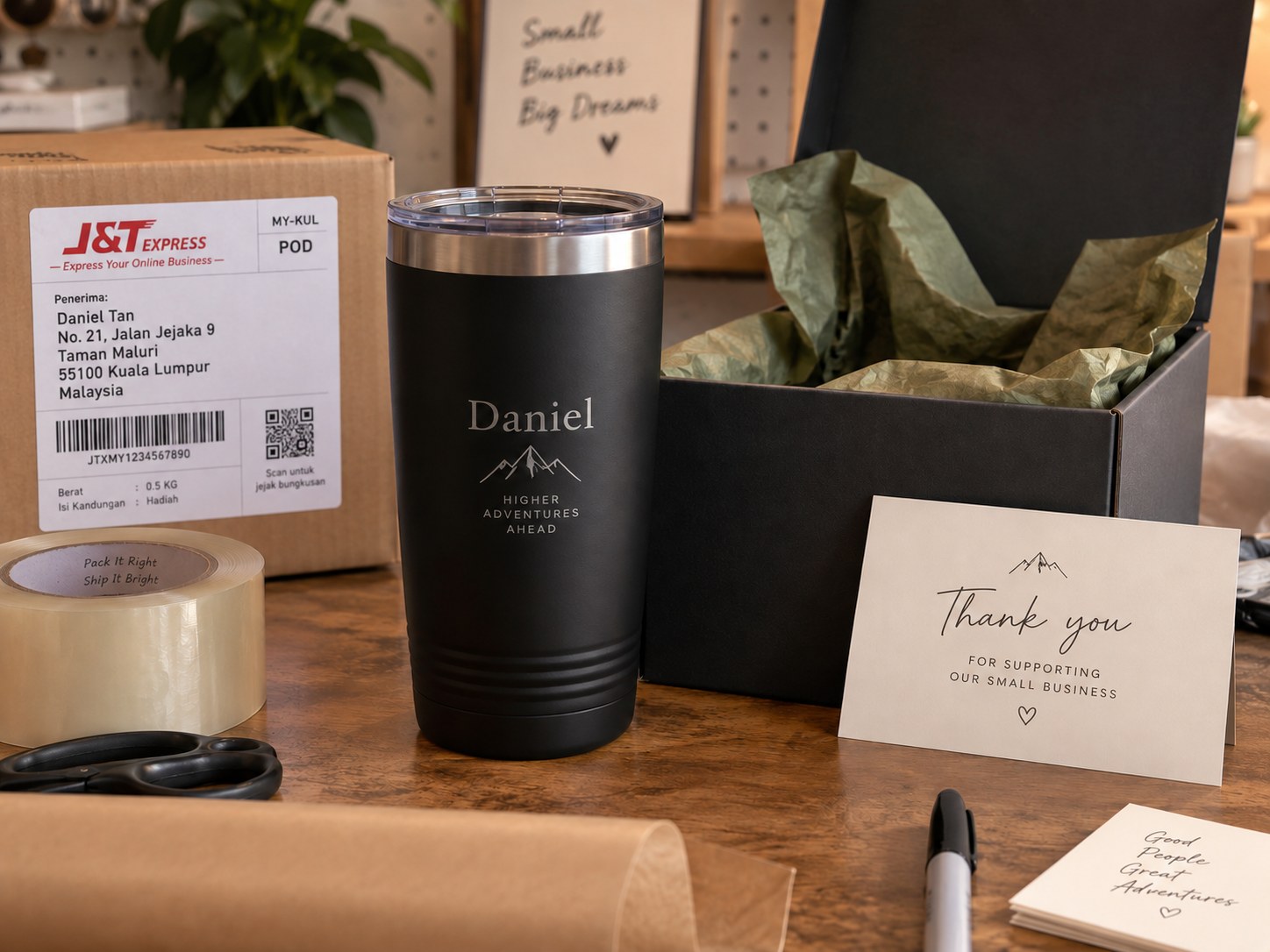
The unboxing is part of the product: the box, the tissue and the card are what a buyer photographs in their own review.
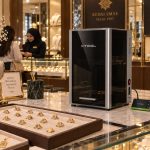
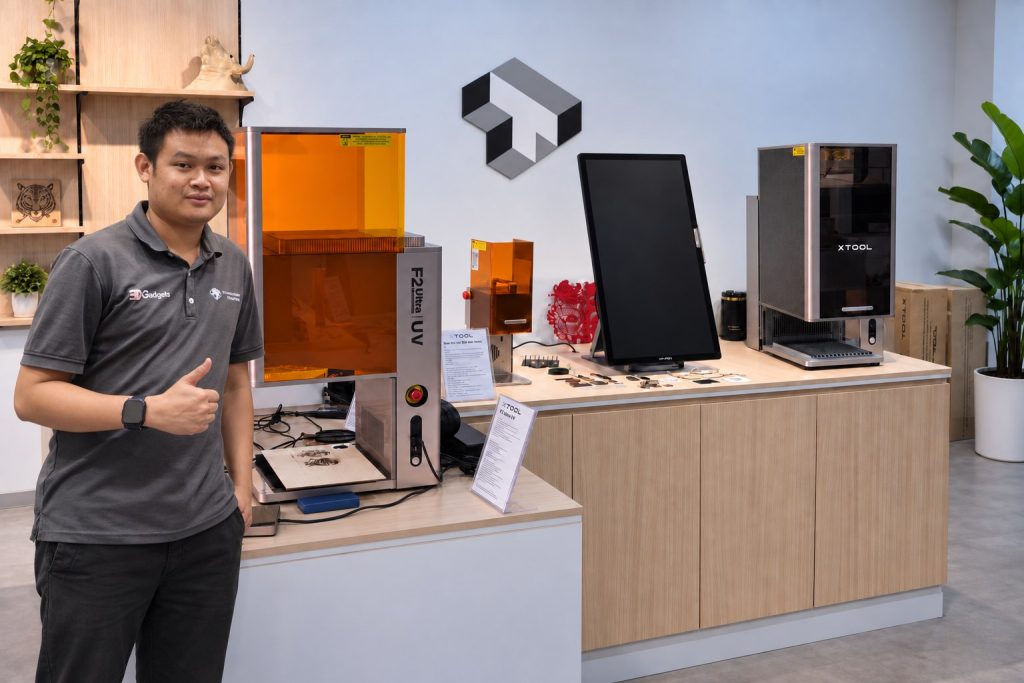
Our Kuala Lumpur showroom. Bring your product and we will engrave it in front of you, so you see the real result before you buy.
Laser engraving is easiest to judge in person. Tell us what you want to mark and bring a sample to the showroom, or send us a photo and we will tell you which machine and power fits the job.