In-Store Personalization and Live Engraving: Turn Walk-Ins into Buyers
In-Store Personalization and Live Engraving: Turn Walk-Ins into Buyers
Quick verdict: Live engraving converts browsers into buyers — a customer who watches their own name go onto a product has already bought it. All it takes is a fast, enclosed fibre laser and a short menu any assistant can run.
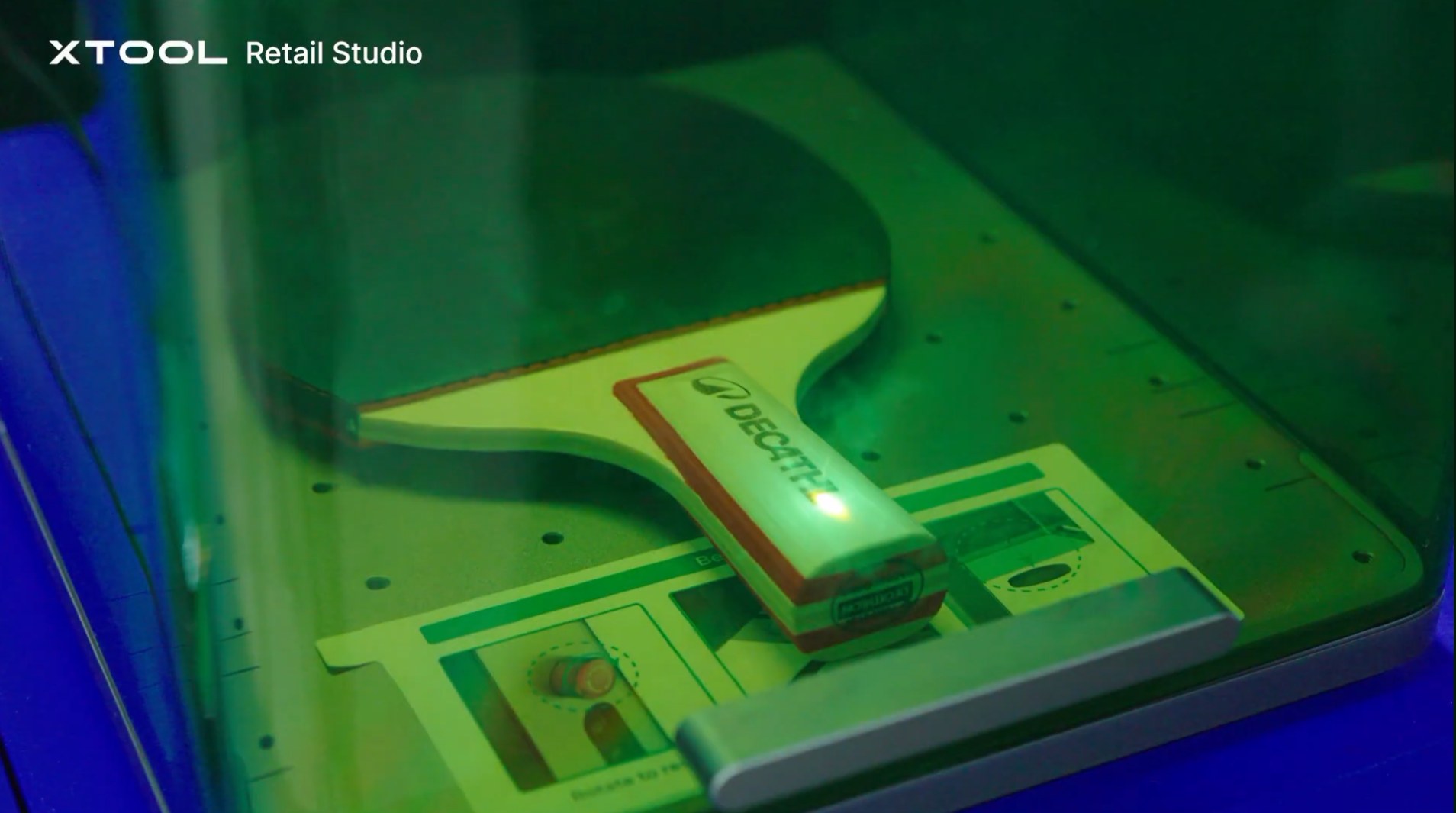
The most powerful retail offer isn’t a discount — it’s watching your name get engraved onto a product in front of you. Personalisation turns a browsing customer into a buyer, and live engraving turns a quiet counter into a reason people walk in.
For gift shops, boutiques, mall kiosks and event booths in Malaysia, a laser engraver is the upgrade that changes the business — and it gives you what no online seller can match, because the customer has to be standing in front of you for the mark to exist. If you are weighing up whether personalised retail is worth the move, the gift business route is the usual starting point.
Why in-store personalisation wins
A discount ends the moment the customer walks out; personalisation ends with them showing the item to everyone they know. You stop competing on the object and start competing on the mark.
Higher conversion — a customer who chooses what goes onto the product is invested in it before it exists.
Margin instead of discounting — a customer will pay more for something they could buy elsewhere for less.
Word of mouth — live engraving is inherently shareable; the small crowd watching one job is your best advertising.
No dead stock — you mark generic blanks on demand, so you never carry unsold names.
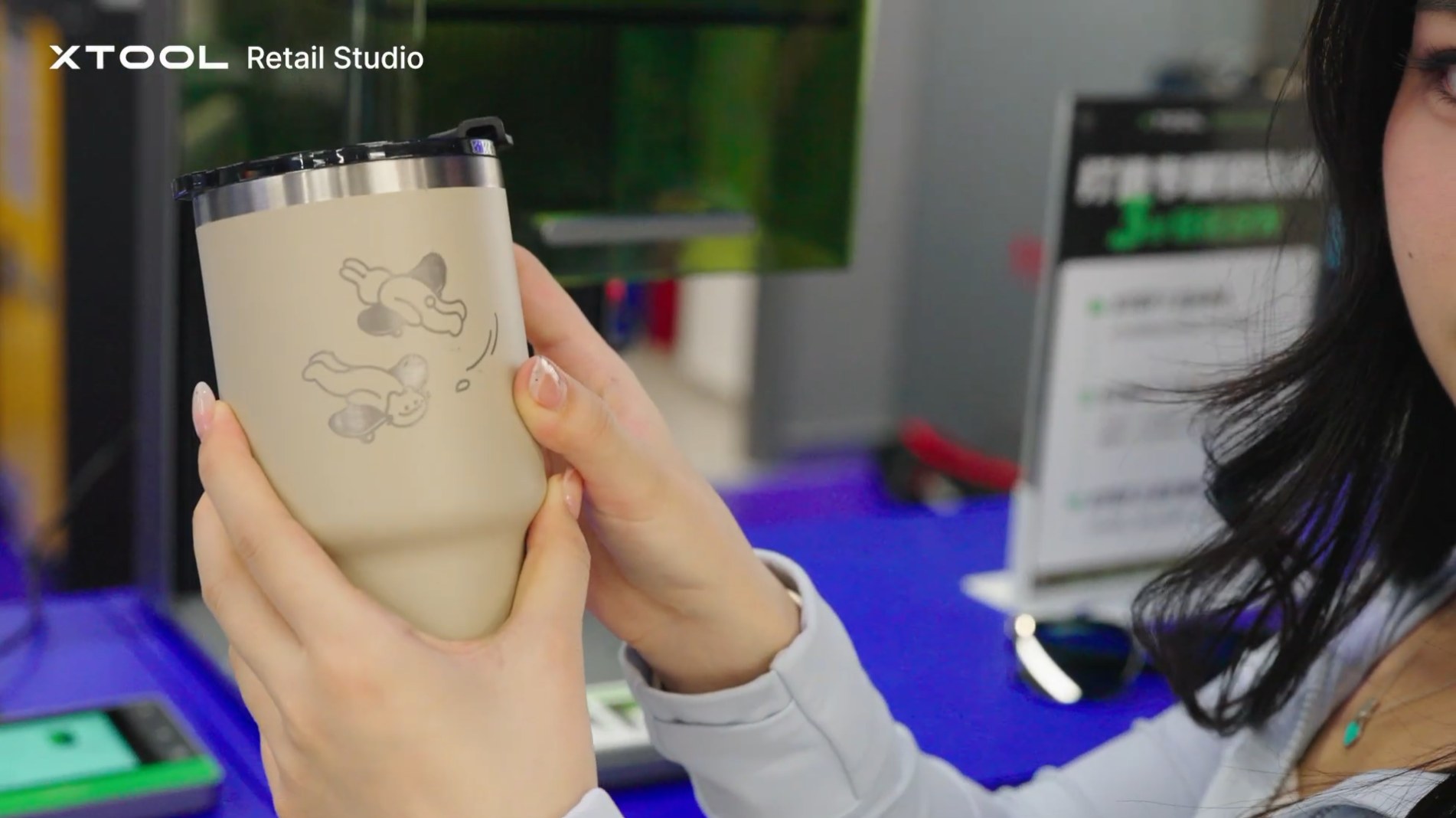
A finished sample in the customer’s hand beats any catalogue: a catalogue asks someone to imagine the result, a sample removes the risk.
Who live engraving suits — and what sells best where
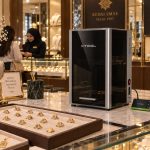
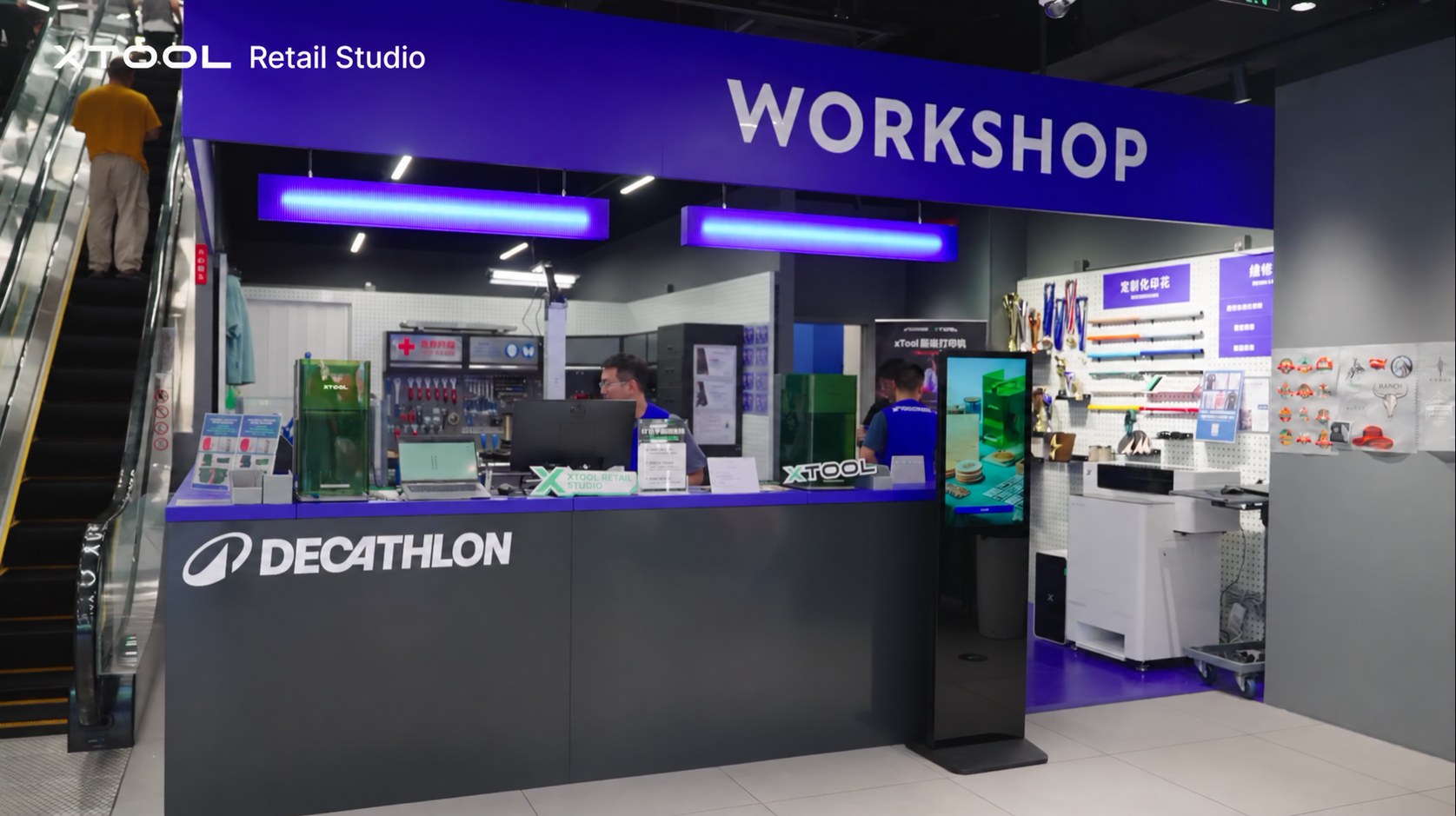
The model fits any setting with passing foot traffic, a product that carries emotional value and a customer with a few minutes to spare: gift shops, souvenir shops, phone-accessory retail, jewellers, mall kiosks, department-store concessions and event booths.
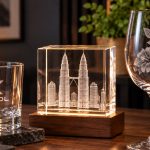
The products that do best live are small, inexpensive blanks with high emotional value: keychains, nameplates, phone cases, tumblers, leather tags and jewellery — cheap enough to buy on impulse, personal enough that the mark matters. Before you commit counter space, review products you can personalise and sell.
Instant marking or collect later?
Instant marking suits single-line work — a name, initials, a date, a small logo on a flat face. Keychains, tags, phone cases and small metal blanks fit here: the customer pays, waits, watches the job run and leaves with it.
Collect later suits anything needing more machine time or care: multi-line text, curved surfaces, wooden plaques, engraved glass, and batches of favours or corporate sets. Take the order and details, confirm the layout on screen, and give a collection window.
The queue matters more than most retailers expect. One short job makes people stop and watch; six people waiting for the same machine makes them leave. Take orders first, run jobs in batches and switch to collect-later at peak — a customer told to come back later is happier than one queueing at your counter.
Floor space, noise and fumes: the operational realities
Live engraving is a workshop process in a shop, so three practical questions come before the purchase.
Floor space — a defined spot on or beside the counter, plus room for blanks, jigs and finished pieces.
Noise — enclosed cabinets keep much of the working sound inside; an open-frame machine running beside customers all day belongs behind a door.
Fumes and dust — marking wood, leather or acrylic produces smoke, and metals give off fine particulate; extraction, ducted outside or filtered, keeps the shop smelling clean rather than like a workshop.
Whether any local requirement applies to your premises is the buyer’s to verify — ask before you order and get the enclosure and extraction answers in writing.
Why an enclosed machine matters beside customers
An enclosed machine contains the beam inside a cabinet, so there is no open laser path at counter height, where hands and faces arrive unannounced. It contains the debris and fumes too, which is what lets it run in a retail space rather than a back room.
Look for a unit that only marks with its hood closed, has a proper extraction connection and is built for a counter rather than a bench. Open-frame machines belong in a controlled back room; a busy shop floor never behaves like one.
The right machine for a retail counter
Retail work is mostly small, flat, metal and plastic, with a little leather and wood behind the counter, so the choice splits by laser source.
Machine
What it does
Best retail use
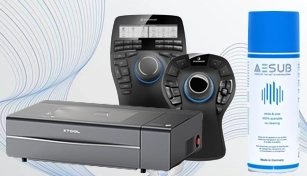
xTool F2 Ultra
60W MOPA fibre plus 40W diode; pulse control enables colour marking on stainless; cuts brass and stainless to 2 mm; 220 × 220 mm work area, 220 × 500 mm with conveyor
Jewellery, tumblers, tags and metal gifts
xTool F2 Ultra UV
5W UV laser at 355 nm, spot under 10 microns; cold marking by surface reaction rather than heat
For jewellery, tags and drinkware, the F2 Ultra covers most of what customers bring in, colour marking on stainless included. Add the UV unit when much of your range is plastic or coated. Rings and curved pieces usually need a rotary attachment, an optional accessory sold separately — confirm that first, and matching the machine to the piece avoids the commonest mistake.
Training a retail assistant who has never touched a laser
Train staff as order-takers running a short, locked routine — not as machine operators.
Lock the menu. Three to five product types, a handful of fonts and pre-made templates; the assistant picks the product and types the name.
Fix the position. A jig or stop per product so the blank always lands in the same place.
Label the settings. Record focus and job per product on a card by the machine.
Run a checklist. Lid closed, extraction running, design approved with the customer, send the job, hand it over.
Practise on waste. New staff get rejects and a quiet morning; two trained people per shift covers holidays.
Escalate the unusual. Odd shapes, curved pieces and sentimental jewellery go to the trained operator.
Display and merchandising that sells the next engraving
Display and demonstration are the same thing, which is why merchandising pays twice here.
Samples on the counter, not in a drawer — one finished piece per product type, in the material the customer will actually buy.
A screen showing the design before it is marked — the customer approves the layout, and the preview is the natural moment to add a date.
A short sign naming the options — products, mark types and turnaround, so customers self-select.
A job running where people queue — the demonstration sells more than any poster.
Talking about pricing without quoting a number
Personalisation is easy to undervalue at the counter, usually by the person quoting it.
Quote per item, not per mark — one figure for the finished, personalised product.
Keep a short menu — a single line, two lines, or initials and a small logo: tiers you can quote without checking.
Never argue the mark down — discounting the personalisation teaches the customer it has no value.
What you need to run live engraving
A fast, enclosed machine — able to sit at a counter and keep up with a queue.
A small menu — 3–5 products and a handful of fonts, kept simple so fulfilment stays quick.
Fixtures — a jig or stop per product so every blank is positioned the same way.
Extraction — ducted outside or filtered, matched to the materials you will mark.
A simple pricing method — per item or per line, so any assistant can quote on the spot.
A visible demonstration — one engraving in progress sells the next ten.
Frequently asked questions
How long does a single engraving take? It depends on the product and the design. A short one-line mark on a small blank is quick enough to run while the customer waits; larger or curved pieces usually go into a collect-later slot.
Do I need a separate room for the machine? No, provided the unit is enclosed and the fumes are managed. Most retail setups run from a defined spot beside the counter, with extraction ducted away or filtered.
Can an assistant with no technical background run it? Yes — with a locked template menu, labelled settings and a jig for each product. Training is about the routine, not the software.
Will one machine mark metal, plastic and wood? Not all three equally well. Fibre and MOPA sources are for metals, UV handles plastics, glass, crystal and coatings, and CO2 covers wood, leather, acrylic and glass. The source comparison narrows it down for your product mix.
A live job takes minutes: the piece sits in its jig, the file is already sized, and the customer watches it happen.
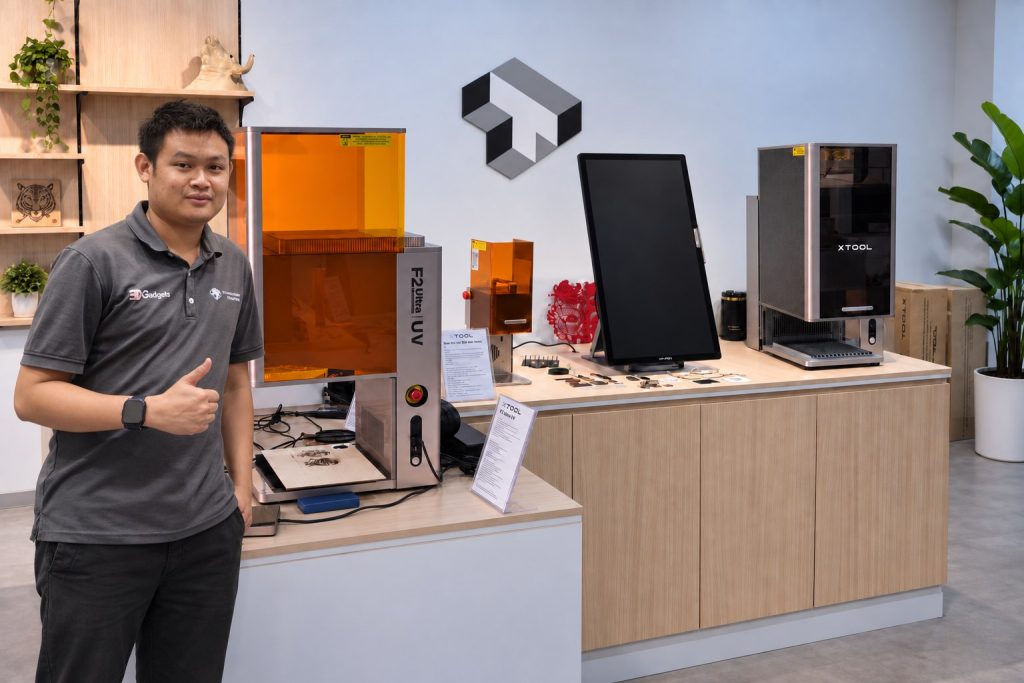
The best way to see whether live engraving works for your shop is to try it. Visit our Kuala Lumpur showroom, bring a product you’d sell, and we’ll run a live engraving so you can see the speed, the safety and the finish — and what it’d look like at your counter.
Finished samples do the selling — put three of them where customers queue and let the product explain itself.
Start with what you already sell. Pick three blanks, run a finished sample of each, and put them where people queue — the menu, the turnaround and the training all follow from what those samples bring back.
Our Kuala Lumpur showroom. Bring your product and we will engrave it in front of you, so you see the real result before you buy.
Laser engraving is easiest to judge in person. Tell us what you want to mark and bring a sample to the showroom, or send us a photo and we will tell you which machine and power fits the job.