Laser Marking for Automotive Parts: Identification That Survives the Vehicle
Laser Marking for Automotive Parts: Identification That Survives the Vehicle
Quick verdict: Automotive identification has to survive heat, oil and weather, which is why laser marking beats labels and ink. Verify readability on your own part and confirm your compliance requirements before committing.
Automotive parts live in heat, oil, vibration and weather — and the identification on them has to survive all of it. Labels and ink fail. A laser mark doesn’t, because it’s written into the metal itself.
Here’s how laser marking works for automotive components, and what it takes to do it in-house.
Why laser marking for automotive
Permanent — part numbers and serial numbers that don’t fade, peel or wash off.
Legible — high-contrast marks that stay readable for the life of the part.
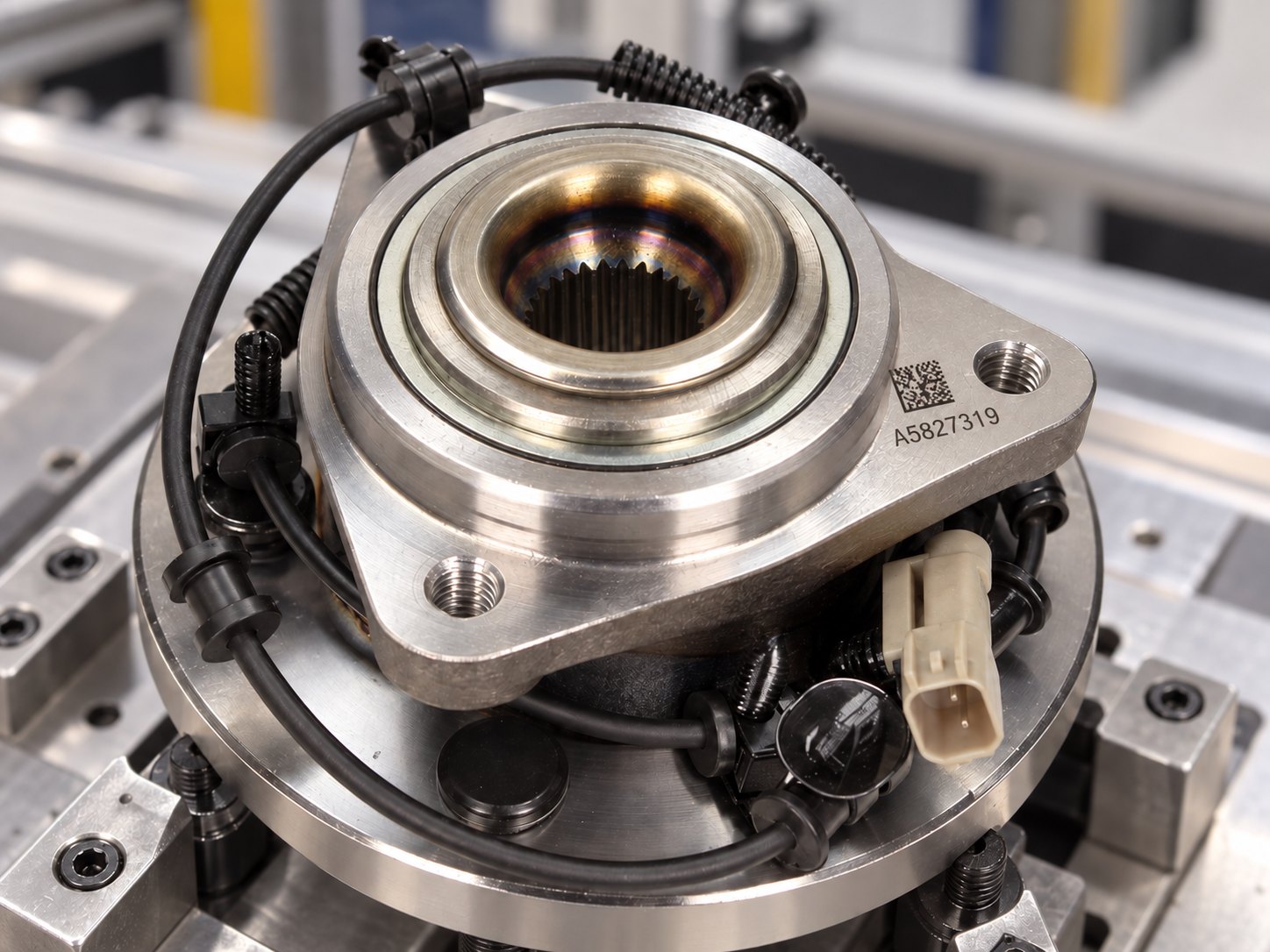
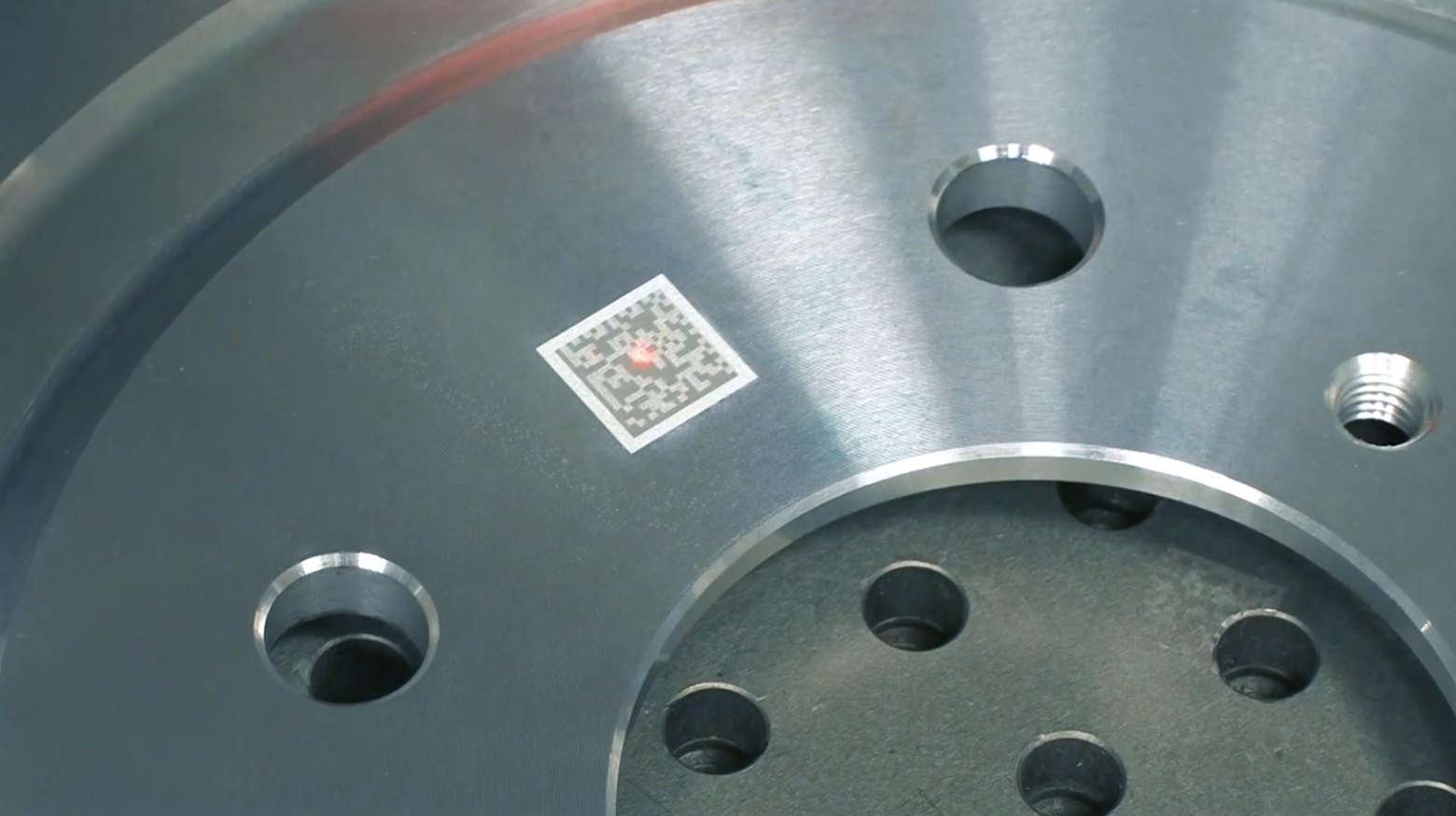
Traceable — QR and Data Matrix codes that scan reliably for quality and warranty tracking.
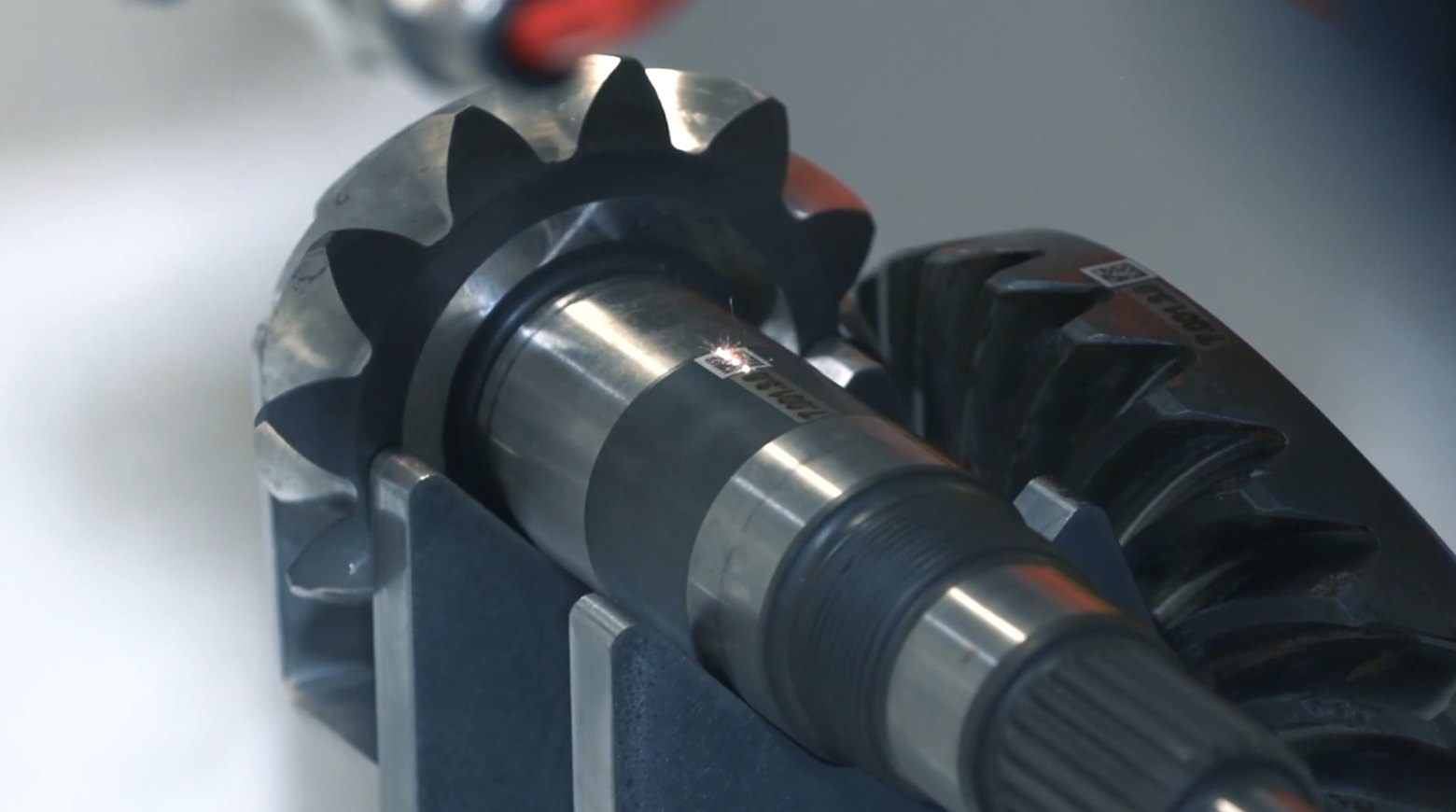
Fast — marks in a fraction of a second, keeping up with production.
What gets marked
Component
Mark
Why
Engine and drivetrain parts
Serial numbers
Traceability, warranty
Brackets, housings, fasteners
Part numbers
Identification, inventory
Tooling and fixtures
Tool IDs
Asset management
Nameplates and badges
Logos, VIN-style data
Branding, identification
The right machine
Machine
Fit
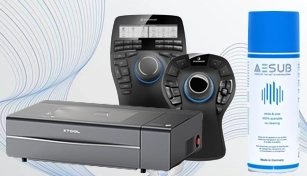
xTool F2 Ultra
High-speed fiber/MOPA marking on steel, aluminium and plastics — serial numbers, QR and Data Matrix
xTool MetalFab
Engraving plus welding, cutting and cleaning for heavier metal work
For most part-marking needs, the F2 Ultra is the answer — it marks metal and plastic at up to 15,000 mm/s, with colour marking available on stainless via its MOPA laser.
A note on compliance
Part marking for automotive can carry regulatory or OEM requirements (for example, around VIN or safety-critical identification). Those requirements are specific to your application and market — so verify them against your own standards before committing to a marking process. Laser marking gives you the permanence and readability those standards typically need, but the standards themselves are yours to confirm.
Where the mark has to survive
A mark legible when it is made still has to stay legible. Under the bonnet it cycles through heat and cold, and oil, coolant and brake fluid reach surfaces that were clean at assembly.
Exterior parts face road salt and weather, and everything on the vehicle vibrates. None of that peels a laser mark the way it peels a label, though it does wear contrast away: oxidation dulls the surface, and the degreasing of a service or reconditioning strip polishes the texture the code sits in.
Permanence is not readability. A shallow mark can scan on the bench and fail later in service, so depth and contrast matter more than how neat the mark looks.
Castings, machined faces and what the surface does to a mark
The same settings behave differently on a rough cast aluminium housing and a freshly machined face.
A casting wears an as-cast skin: uneven, and often porous. Porosity scatters the beam, which can leave a mark with broken edges, and broken edges are hard on a scanner. A machined face is flat, so focus holds across the whole code.
Place the code on a machined pad or a flat boss, not on a draft angle or a parting line, where the outer edges can fall out of focus. Test on the real part rather than a sample plate.
Setting up a marking station on your line
Marking in-house means the part arrives under the lens the same way every time. A fixture or simple jig does that work, holding the part square and putting the mark in the same place on every unit.
Cycle time comes next. A fast mark is worth little if loading cannot keep pace with the line. If floor operators run the station, each part should be recalled from a stored setup.
Extraction matters too, most of all on coated or oiled parts, where the laser burns off more than bare metal. A fume extractor keeps those fumes off the operator.
Can you mark a part that is already assembled?
Yes, if the mark area is reachable and flat enough to hold focus. Where you have the choice, mark before assembly.
Does laser marking weaken the part?
Marking alters the surface layer only, not the part. Keep marks clear of stress concentrations on safety-critical parts.
Can you mark through paint or coating?
The laser has to reach the material, so on coated parts it strips coating rather than marking metal. Test a sample first.
How do you mark a part too large to fit in the machine?
Mark the pieces before they are joined, or bring the head to the part where the build allows it.
What happens if the mark is in the wrong place?
A misplaced mark cannot be removed cleanly. Run one part, check the position, then release the file.
Test it on your actual part
Marking quality depends on the alloy, surface finish and code size. The only way to know is to mark a sample. Send us a part and your code requirements, and we’ll mark it, scan it and give you an honest read on the right machine for your volume.
Visit our showroom
Our Kuala Lumpur showroom. Bring your product and we will engrave it in front of you, so you see the real result before you buy.