How to Engrave Wood and Acrylic for Signage and Gifts
How to Engrave Wood and Acrylic for Signage and Gifts
Quick verdict: Wood and acrylic are a CO2 laser’s home turf. Buy cast acrylic for engraving, keep air assist on, and test settings on scrap before you run the real piece.
Wood and acrylic are the two materials every laser owner starts with — and with good reason: a CO2 laser engraves and cuts them cleanly, quickly and with a finish that looks professionally made.
Here’s how to get it right, whether you’re making signs, awards or gifts.
The machine: CO2
Wood and acrylic are the home turf of the CO2 laser. Its 10,600 nm wavelength is absorbed strongly by both, giving clean cuts and dark, even engraving.
Machine
Fit
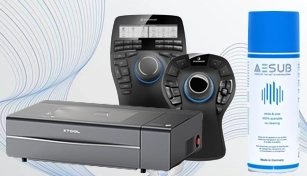
xTool P2S (55W CO2)
Entry — signs, awards, gifts
xTool P3 (80W CO2, 915×458 mm)
Production — large pieces, batch work
Wood
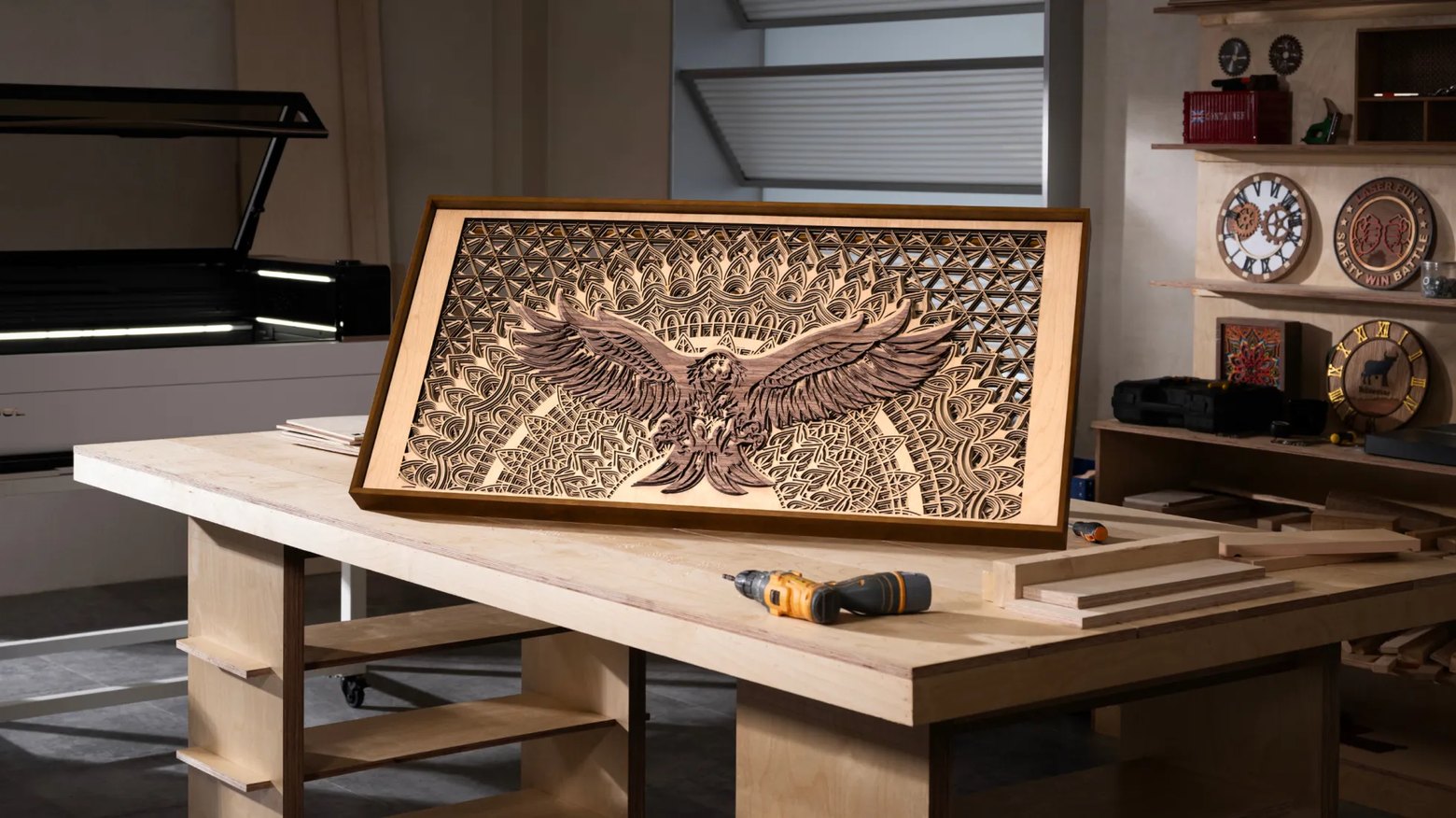
Engraving — dark marks on soft and hard woods; lower power for a lighter, natural look.
Cutting — plywood and MDF cut cleanly; thicker stock needs more passes or more power.
Tip — air assist keeps edges clean and reduces scorching.
Wood types: why two boards behave differently
No two boards of the same species engrave identically. Density and moisture content decide how much power a mark needs: softwoods darken easily at modest power, while hardwoods need more energy for the same contrast. Plywood and MDF add their own variable, because the glue lines between plies can engrave unevenly or cut slower than the timber around them. A sheet stored in a humid workshop behaves differently from one kept dry, so test on an offcut from the actual board.
Acrylic
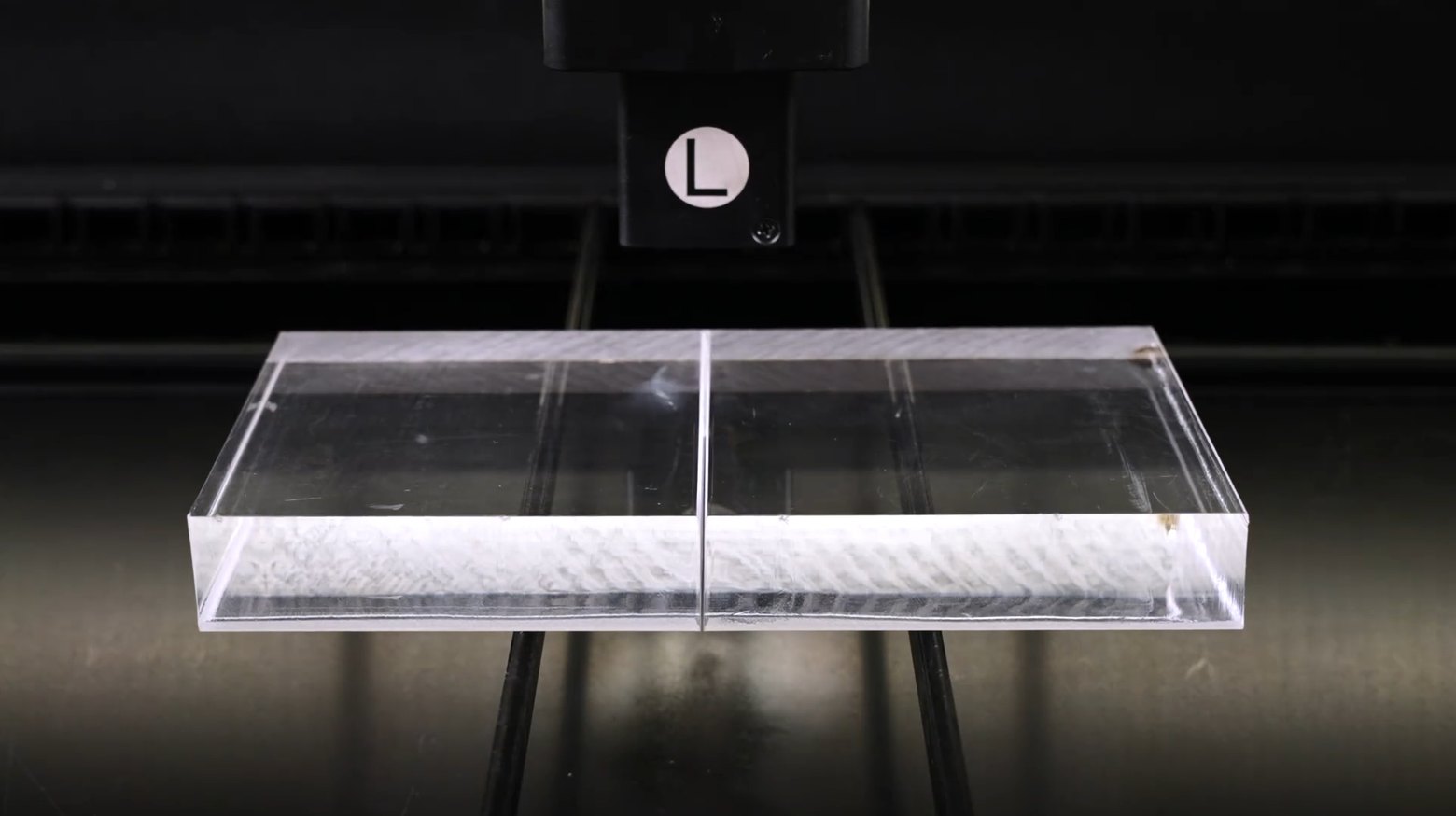
Cast acrylic — engraves to a frosted white that looks premium.
Extruded acrylic — cuts cleanly but engraves less evenly; buy cast for engraving.
Cutting — polished, flame-finished edges straight off the machine.
Cast versus extruded acrylic
Acrylic comes in two forms and the difference matters more than any setting. Cast acrylic is moulded from a higher molecular weight resin and engraves to an opaque frosted white with crisp edges, which is why it is standard for awards, nameplates and backlit signage. Extruded acrylic is pushed through a die instead: it cuts perfectly well and suits jobs where you only need shapes, but the engraved mark comes out uneven and milky. Label offcuts so the two types never mix.
Settings that matter
Wood — moderate power, moderate speed; adjust for dark vs light mark.
Acrylic — for cutting, higher power and slower speed; for engraving, lower power with good air assist.
Always test on scrap — wood density and acrylic type change the result more than you’d expect.
Materials you must never cut
Some signage requests should be refused, however ordinary they look. PVC and vinyl, including PVC-faced foamboard, release chlorine gas when cut, which is corrosive to the machine and hazardous to breathe, and no amount of extraction makes it safe. Polycarbonate cuts poorly and discolours along the edge, so it is a bad substitute when a customer wants something like acrylic but tougher. ABS releases fumes. Cast acrylic is the safe, standard choice.
Kerf, fit and tolerance
A laser does not cut a zero-width line. It removes material either side of the path, and that kerf decides whether parts fit. On flat signage it hardly matters; when pieces must slot together, it matters a great deal. Design the slot a kerf wider than the material it receives, then cut a test joint from the same sheet before committing to a full run. Kerf also decides whether the inside of a letter drops out of a stencil or stays attached.
What sells
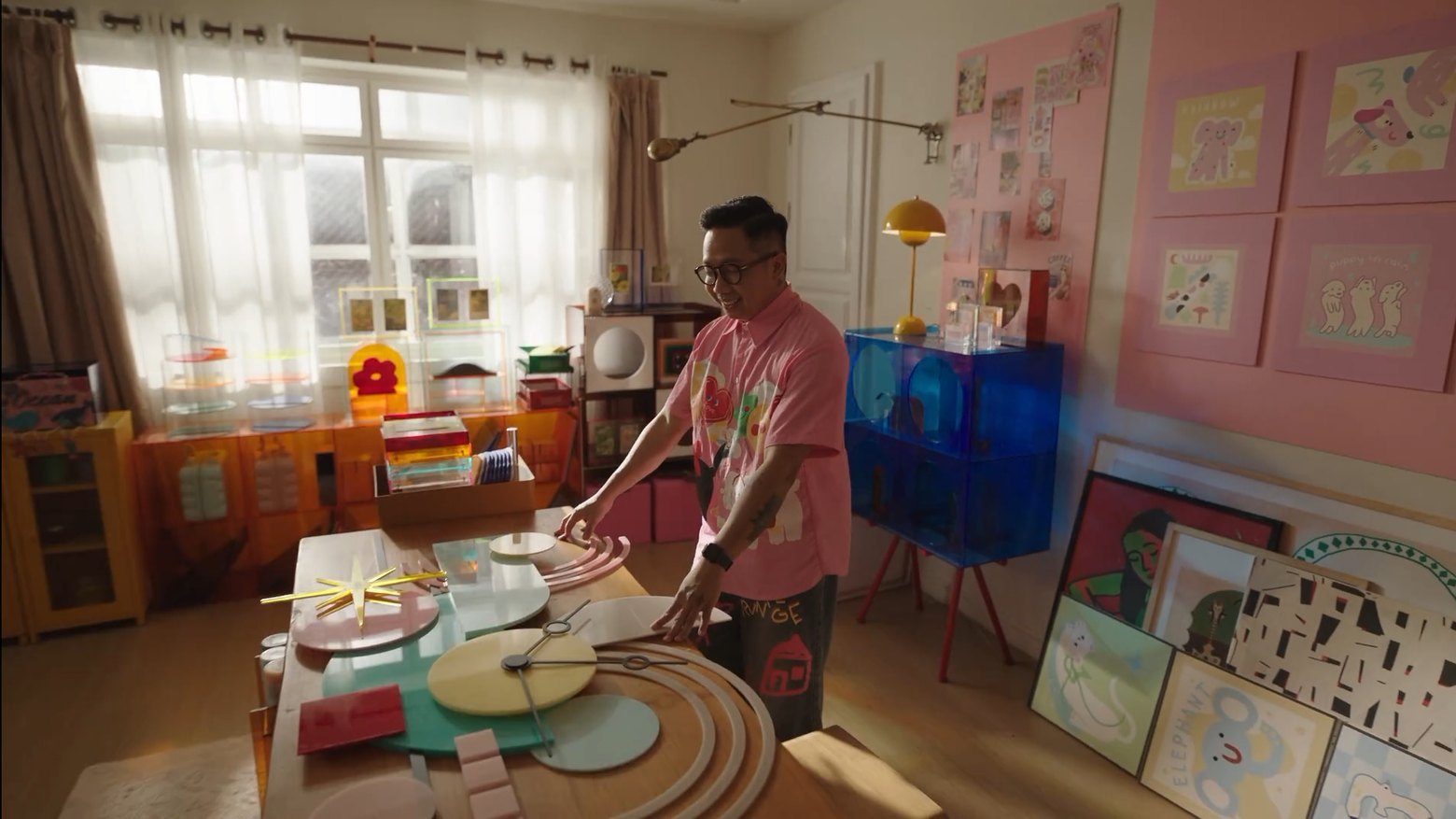
Wooden signs and plaques — home décor, business signage.
Acrylic awards and trophies — corporate recognition.
Custom gifts — coasters, keychains, ornaments.
Acrylic displays — retail and event signage.
Batch production and consistent runs
Once a design works, the aim is repeating it without drift. Clamp or tape a jig so every sheet lands in the same corner of the bed, nest parts tightly to raise yield per sheet, and cut one test piece per material batch to confirm the settings still hold. Keep a written record of power, speed and passes for each stock, so a run made next month matches the one before it. A production machine such as the 80W xTool P3, with its 915 x 458 mm bed, runs more parts per sheet.
Ventilation and safe operation
Engraving produces fumes and fine particulate, and acrylic is the worst offender: the vapour is unpleasant and its residue builds up on optics and rails. Run extraction or filtration every time, vent outside where you can, and clean the lens and rails on a schedule. Never leave a laser running unattended, even on a job you have cut many times. Wood can flare up, and a flame inside a machine holding fine dust and acrylic offcuts is a real risk.
Wood and acrylic are forgiving to learn, but the finish depends on your material and settings. Bring a piece to our showroom and we’ll engrave and cut it on the right machine so you can see the quality you’d be producing.