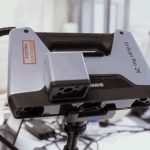
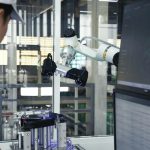
Handheld 3D scanner with robotic arm for automated data capture
3D Scanning Solutions by Industry in Malaysia
3D Scanning Solutions by Industry in Malaysia Quick verdict: Whatever your industry — automotive, mold...
3D scanning for education and research
3D Scanning for Education & Research in Malaysia
3D Scanning for Education & Research in Malaysia Quick verdict: For universities, polytechnics and...
3D scanning an infant's head for a cranial helmet
3D Scanning for Medical, Dental & Orthotics in Malaysia
3D Scanning for Medical, Dental & Orthotics in Malaysia Quick verdict: For orthotics, prosthetics...
3D scanning an energy pipeline for corrosion inspection
3D Scanning for Energy & Heavy Equipment Inspection in Malaysia
3D Scanning for Energy & Heavy Equipment Inspection in Malaysia Quick verdict: For energy operators...
No posts found
  • Article
  • >
  • PEEK & High-Temperature 3D Printing: What You Need to Know

PEEK & High-Temperature 3D Printing: What You Need to Know

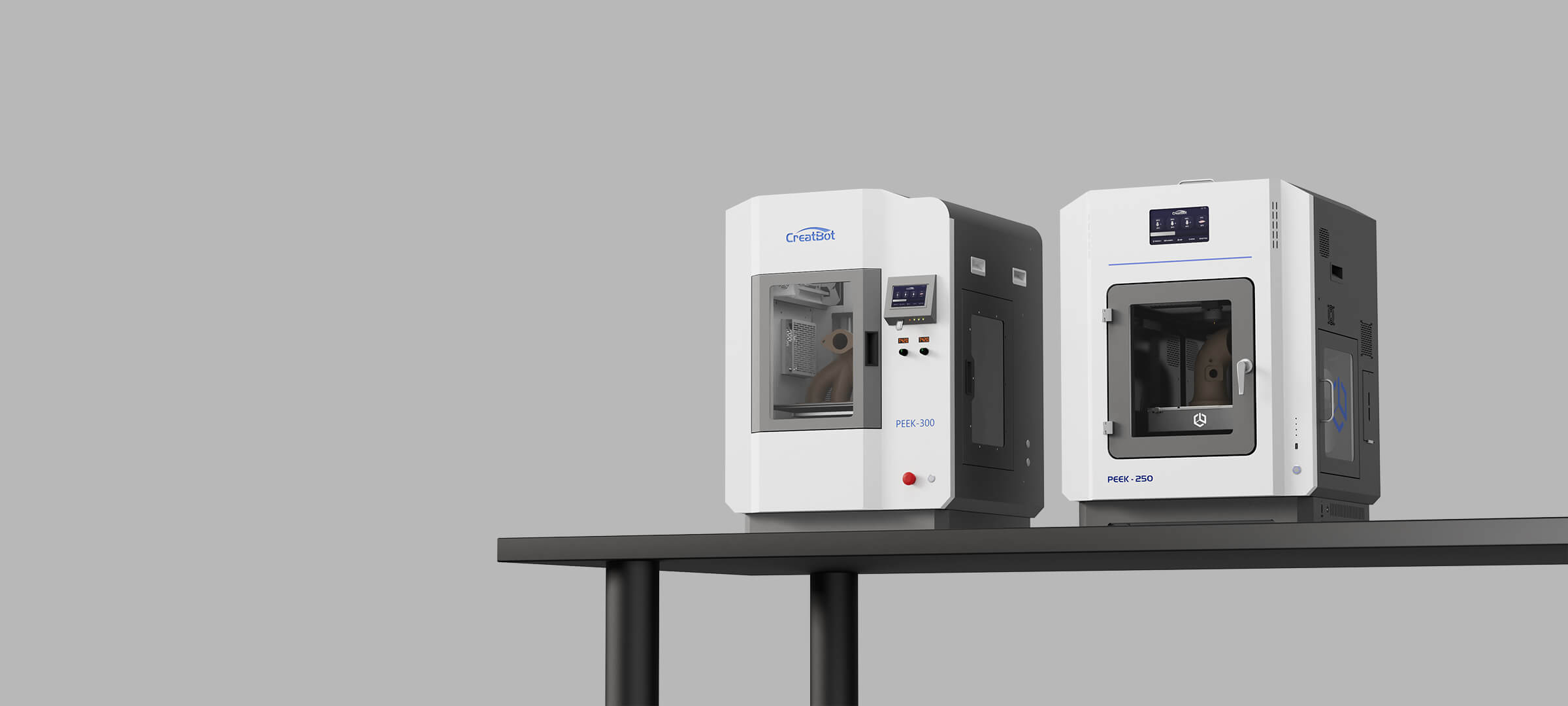
CreatBot PEEK high-temperature 3D printer

Quick verdict: PEEK and other high-temperature polymers replace metal in demanding applications — they are strong, chemical-resistant and stable to ~250°C and beyond. But they need a purpose-built printer with a heated chamber and 400°C+ hotend. Here is what it takes, what it costs, and whether you need it.

What is PEEK?

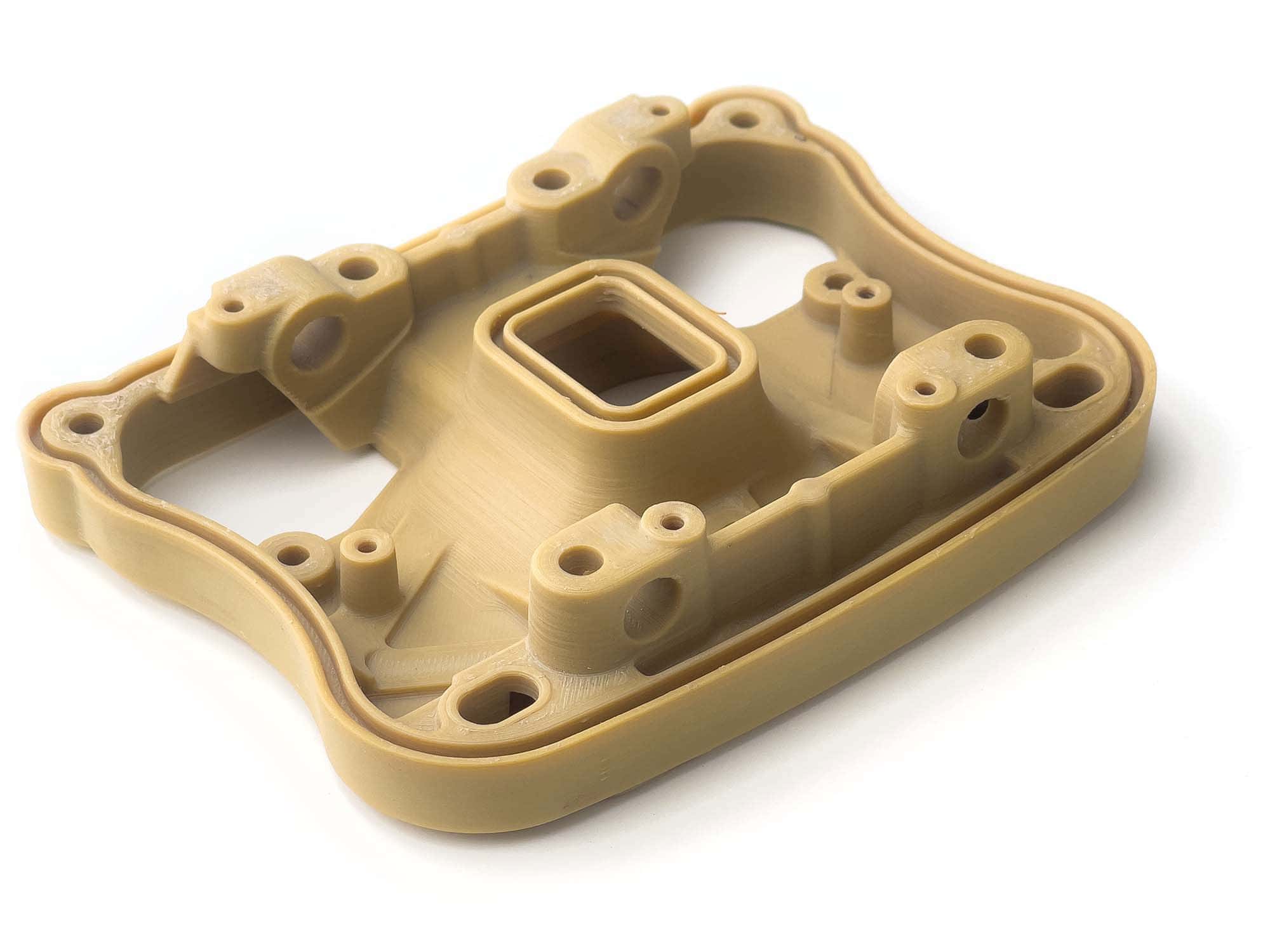
PEEK (polyether ether ketone) is a high-performance engineering thermoplastic used in aerospace, medical implants, oil & gas and automotive. It is exceptionally strong for a plastic, resists chemicals and wear, and keeps its mechanical properties at continuous temperatures around 250°C.

Because PEEK melts at roughly 343°C, printing it requires a machine with a 400°C+ hotend, a heated build plate, and a heated chamber (typically 90–200°C) to control warping and achieve strong layer bonding.

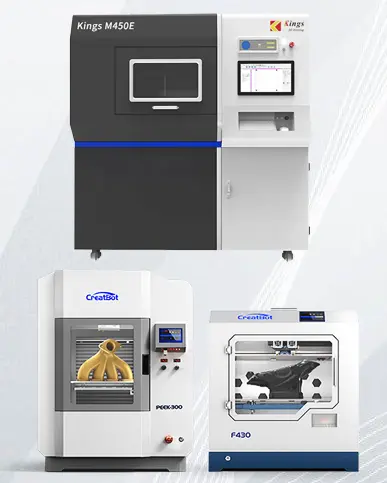
Machines we recommend: the CreatBot PEEK-300 for full PEEK capability, and the CreatBot PEEK-250 for a compact high-temperature option.

PEEK 3D printing

High-temperature materials compared

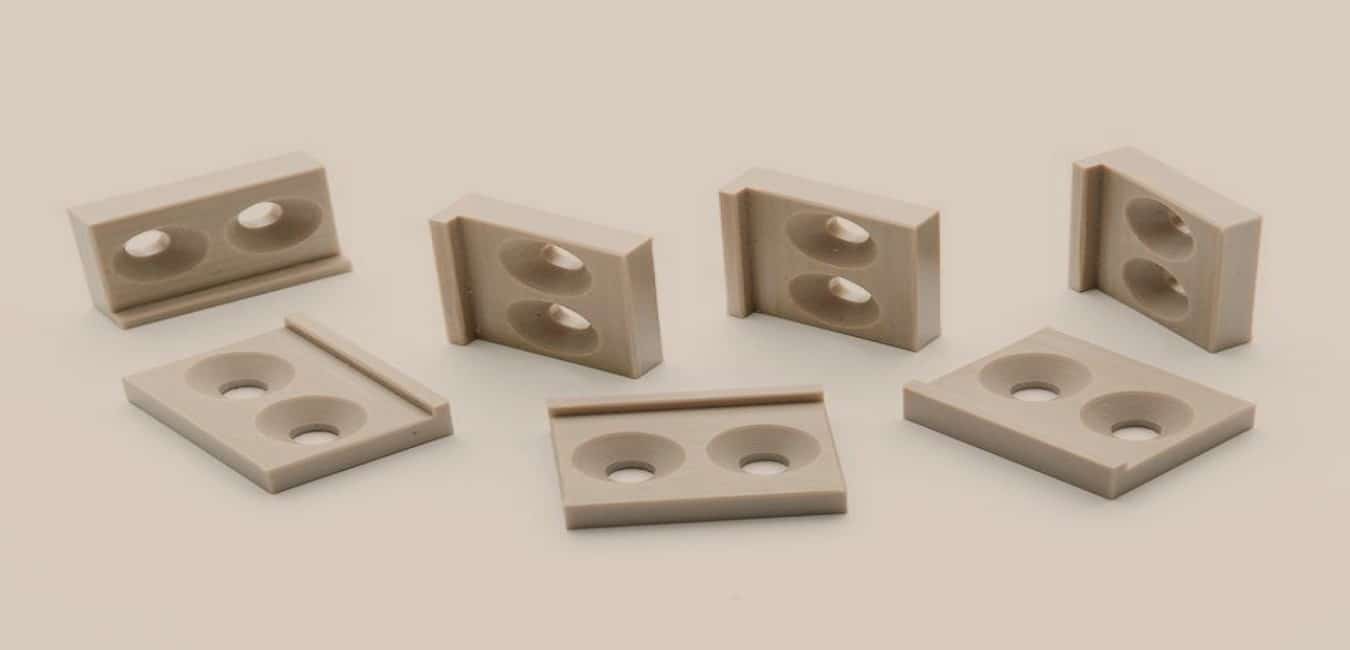
PEEK 3D printed component

PEEK — the gold standard for high-temperature, chemical-resistant parts; used in medical and aerospace.

PEI (ULTEM) — flame-retardant and certified for aerospace interiors.

PPSU — sterilizable and impact-resistant, common in medical devices.

Carbon-fibre-filled PEEK — like CARBONX PEEK+CF20, stiffer and more dimensionally stable for structural parts; and 3DXSTAT ESD-PEEK for electrostatic-discharge-safe applications.

High-temp printers compared

Model Max chamber temp Best for
CreatBot PEEK-250 High-temp enclosed Compact PEEK / PEI parts
CreatBot PEEK-300 Full PEEK capability Production PEEK & high-temp

What does it cost?

Item Cost (RM)
High-temperature printer 30,000 – 75,000+
PEEK filament 1,000 – 3,000 / kg
Carbon-fibre PEEK / specialty grades 2,000 – 5,000+ / kg

High-temperature printing is a specialist investment — the printer, chamber and material all cost more than standard FDM. See our price guide for the full picture.

Do you need high-temperature printing?

Choose high-temp when…

  • Parts must withstand 150–250°C in use
  • You need chemical or wear resistance
  • You are in medical, aerospace, oil & gas
  • You are replacing metal with lighter plastic

Standard FDM is enough when…

  • Parts run at room temperature
  • PLA, PETG or nylon meet your needs
  • Budget is constrained
  • You do not need sterilization or flame rating

Malaysia-specific considerations

  • Humidity — PEEK absorbs moisture and must be actively dried before and during printing or it will bubble and weaken.
  • Power & environment — a heated chamber draws significant power and needs a stable supply in a controlled room.
  • Material cost — PEEK is expensive; failed prints are costly, so calibration and operator skill matter.
  • Anneal / post-processing — many high-temp parts benefit from annealing to relieve stress and improve crystallinity.

Our honest recommendation

Only invest in high-temperature printing if your parts genuinely need it. When they do, PEEK is worth every ringgit — it is the difference between a prototype and a part you can actually put into service. Start with a proven machine like the CreatBot PEEK-300 and dial in the material with your vendor.

FAQ

What temperature does PEEK need to print?
A hotend of ~400°C+, a heated plate, and a heated chamber (typically 90–200°C) to control warping and layer bonding.

Is PEEK stronger than metal?
Not stronger, but it is strong enough to replace metal in many non-structural applications while being far lighter and chemical-resistant.

Why is PEEK filament so expensive?
It is a high-performance polymer with a demanding production process, and specialty grades (carbon-filled, ESD) cost more.

Can a normal 3D printer print PEEK?
No — a standard printer cannot reach the temperatures or hold the heated chamber PEEK requires. You need a purpose-built high-temperature machine.

Need high-temperature parts?

Tell us your application and operating temperature, and we will recommend the right material and machine — with a sample part. Contact Trinventor Solution today.

Thank you for signing up. You will be the first to know the Industry news, upcoming products, latest technology and special promotion.

Stay Tuned.