3D Printing in Architecture and Construction: From BIM to 3D Printed Buildings
Introduction to 3D Printing in Architecture and Construction
3D printing in architecture and construction represents one of the most transformative developments in the building industry. The global construction 3D printing market, valued at USD 8.28 billion in 2025, is projected to grow at an exceptional compound annual growth rate of 94.55% through 2033, signaling a fundamental shift in how buildings are designed and constructed worldwide.
This growth trajectory reflects a convergence of compelling factors: severe labor shortages in the construction sector, escalating labor costs, mounting sustainability imperatives, and advancing technology that has moved from experimental installations to commercially viable deployments across residential, commercial, and infrastructure applications.
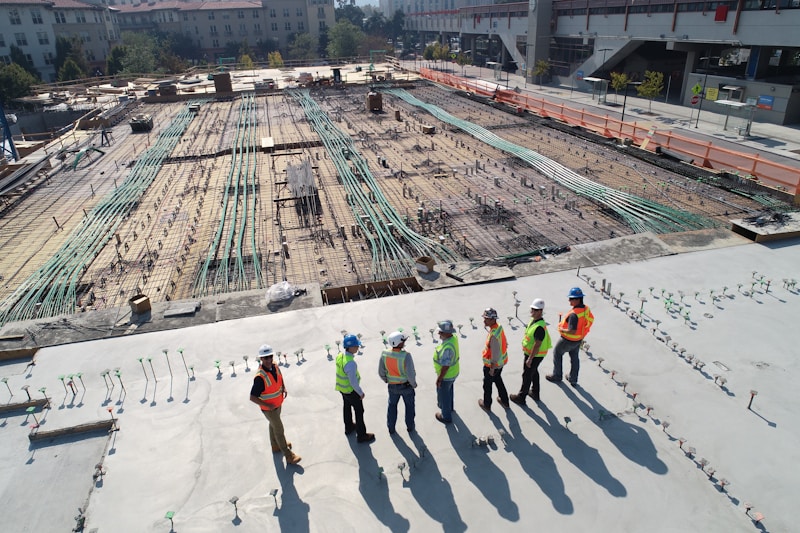
3D printing in construction enables rapid, sustainable building with significantly reduced material waste and labor requirements
Market Overview and Regional Dynamics
The construction 3D printing market demonstrates strong regional variation in adoption and growth patterns. North America currently holds the largest market share, driven by early technology adoption, established regulatory frameworks, and significant investment from major construction firms. Asia Pacific emerges as the fastest-growing regional market, reflecting rapid urbanization, massive infrastructure investment, and government support for advanced construction technologies.
The transition from experimental installations to commercially viable projects marks a defining characteristic of the current market phase. Tangible deployments now span residential homes, commercial buildings, bridges, and infrastructure components, moving beyond proof-of-concept demonstrations toward mainstream acceptance.
3D Printing Construction Market Snapshot
Market Size 2025
USD 8.28B
Global market value
CAGR 2026-2033
94.55%
Projected annual growth
Material Waste Reduction
30-60%
Compared to conventional methods
Timeline Compression
50-70%
For specific applications
Key Drivers Accelerating Adoption
Construction Industry Labor Crisis
The U.S. Bureau of Labor Statistics reported in 2023 that the construction industry faced an estimated shortage of 546,000 workers, with projections indicating this gap could expand to 650,000 by 2024. This severe labor constraint, coupled with rising labor costs averaging USD 38.12 per hour for construction workers in the United States as of December 2023, has compelled industry stakeholders to explore automation-intensive methodologies.
3D printing construction technology directly addresses this challenge by reducing dependence on skilled labor while maintaining or improving construction quality and speed.
The integration of 3D printing with BIM workflows is enabling architects to realize complex geometric designs
Sustainability Imperatives
The sustainability imperative has emerged as a compelling adoption catalyst. According to the International Energy Agency, the concrete industry contributes approximately 8% of global CO2 emissions, making construction one of the most significant environmental impact sectors. Simultaneously, the U.S. Department of Energy’s Building Technologies Office reports that buildings account for approximately 40% of total U.S. energy consumption and 75% of electricity use.
Additive manufacturing enables precise material deposition, eliminating formwork requirements and reducing cement consumption through optimized geometric designs. The integration of robotic construction systems has demonstrated material waste reduction of 30-60% compared to conventional methods, offering a meaningful pathway to greener construction practices.
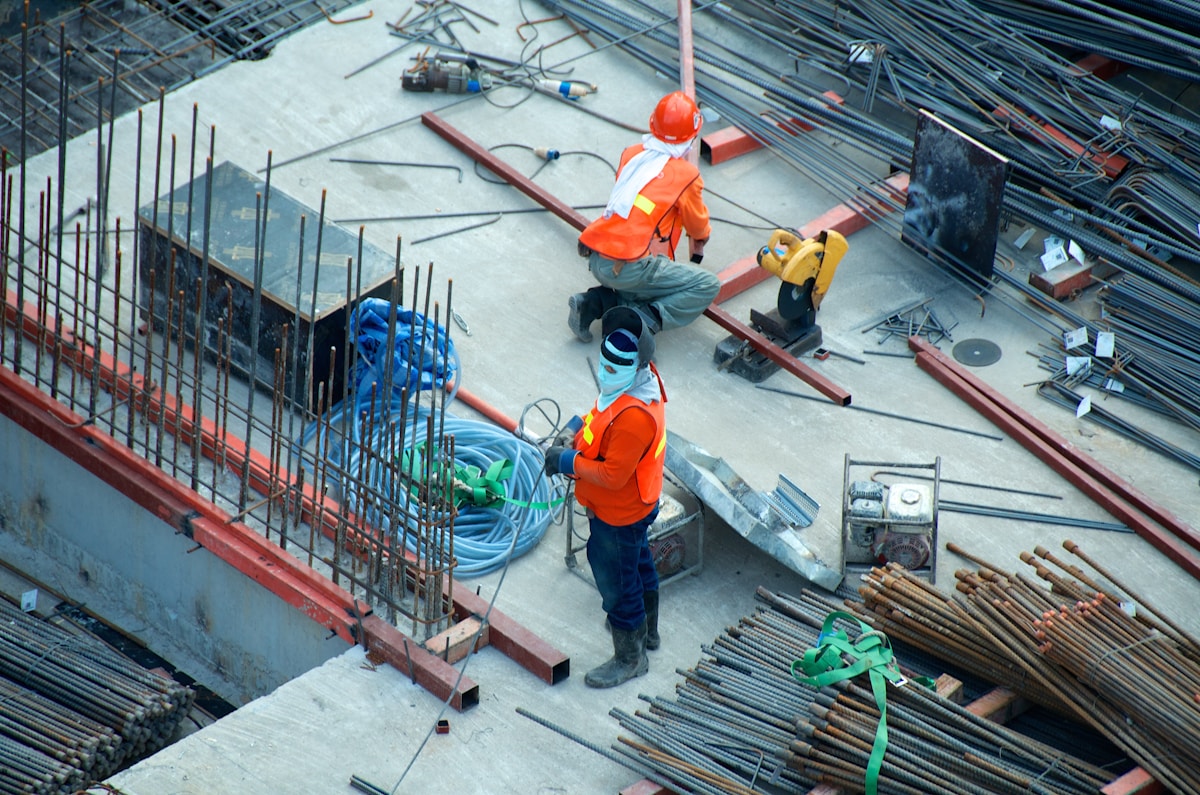
Automation in construction addresses labor shortages while improving precision and reducing project timelines
Technologies Powering Construction 3D Printing
Three primary 3D printing technologies dominate the construction industry:
Material Extrusion
Also known as concrete printing or contour crafting, material extrusion deposits concrete or cement-based materials layer by layer through a computer-controlled nozzle. This approach has gained extensive commercial application for residential and commercial buildings, with gantry-based systems now achieving printing speeds exceeding 1 meter per second.
Powder Bonding
Powder bonding uses a binding agent to fuse construction materials in powder form, enabling production of complex geometries with minimal waste. This technology suits applications requiring intricate architectural details or customized components.
Wire Arc Additive Manufacturing (WAAM)
WAAM involves using an electric arc to melt wire, with a robotic welder constructing metal objects drop by drop. This method has gained extensive publicity through MX3D’s bridge project in Amsterdam, demonstrating the potential for structural metal applications in architecture and infrastructure.
Applications Across Building Types
The applications of 3D printing in construction span multiple building categories:
Residential: Complete single-family homes printed in days rather than months
Commercial: Office buildings and retail structures with complex architectural forms
Industrial: Warehouses and manufacturing facilities requiring large, open spans
Infrastructure: Bridges, pedestrian walkways, and utility structures
Architectural elements: Decorative facades, custom formwork, and interior design features
Regulatory Progress and Standardization
The establishment of standardization frameworks has accelerated market legitimacy and institutional adoption. ASTM International published in 2023 the F3122 standard specifically addressing terminology for additive manufacturing in construction, providing industry stakeholders with unified technical parameters. The International Code Council initiated development of acceptance criteria for 3D-printed construction elements, expected to facilitate permitting processes across multiple jurisdictions.
These standardization efforts complement technological advancements, with multi-material deposition capabilities now incorporating reinforcement elements during the printing process, addressing structural requirements for load-bearing applications.
Challenges and Limitations
Despite remarkable progress, construction 3D printing faces significant challenges:
High capital investment: Equipment costs remain substantial, limiting adoption among smaller contractors
Building code regulations: Performance-based standards and regional variation in regulations impede widespread implementation
Consumer acceptance: Concerns about safety, durability, and aesthetics of 3D-printed structures persist
Surface finish: Rough exterior surfaces may require additional finishing work
Limited building size: Current printers face constraints on total building dimensions
Leading Companies Shaping the Market
Key players driving innovation in construction 3D printing include Apis Cor, Winsun, Contour Crafting Corporation, CAZZA, Belatchew Arkitekter, Skanska, and MX3D. These companies continue to advance technology capabilities while demonstrating commercial viability across diverse project types.
Conclusion
The 3D printing in architecture and construction market stands at an inflection point between experimental technology and mainstream adoption. With market projections indicating exceptional growth through 2033, the technology addresses fundamental industry challenges including labor shortages, sustainability requirements, and cost pressures.
As standardization frameworks mature, material capabilities expand, and successful project references accumulate, the barriers to adoption continue to diminish. Construction companies, architects, and developers evaluating advanced manufacturing approaches should consider 3D printing as a viable option for appropriate project types, particularly where speed, customization, or sustainability priorities are paramount.
Thank you for signing up. You will be the first to know the Industry news, upcoming products, latest technology and special promotion.